Are low-fat or fat-free foods always healthier?
Last Updated : 26 March 2026Key Takeaways:
- “Low-fat” and “fat-free” claims only describe the fat content of a food product, not their overall nutritional quality.
- Reduced-fat products may contain more added sugar or salt to compensate for taste. It’s recommended to keep our intake of added sugar as low as possible and eat no more than 5 g of salt per day.
- Fat is essential for a healthy and balanced diet, but the type of fat matters more than the quantity. Health recommendations focus on limiting saturated and trans fats rather than removing fat completely.
- Low-fat claims can create a health halo, making foods seem healthier and leading people to eat larger portions.
- Low-fat options can be beneficial when fat is reduced without adding extra sugar, salt, or calories, especially for specific health or dietary needs.
- To make informed choices, check the nutrition table and ingredient list rather than relying only on nutrition claims.
Low-fat, reduced and fat-free options fill supermarket shelves and often carry an instant “healthy” appeal. This idea dates back to the 1990s, when dietary fat was widely blamed for weight gain and heart disease. While reducing certain types of fat can be helpful for a balanced diet, choosing foods simply because they are labelled “low-fat” doesn’t always mean they are nutritious or good for your health. Let’s debunk this myth and discover the facts and the fallacy behind it.
It’s important to distinguish between foods that are naturally low in fat, such as many fruits, vegetables, pulses, and some dairy products, and processed products marketed as “low-fat” versions of existing foods. This article focuses mainly on products reformulated to reduce fat content, as these are more likely to create confusion about healthiness.
Fact: low-fat or fat-free foods are lower in fat, not automatically healthier.
In Europe, claims on food products like “low-fat,” “fat-free,” or “reduced -fat” are tightly regulated. A product can be called “low- fat” if it contains no more than 3 g of fat per 100 g for solid foods, or 1.5 g per 100 ml for liquids. “Fat-free” means it contains less than 0.5 g of fat per 100 g/ml, and “reduced-fat” means the fat content is at least 30% lower than a similar product.1
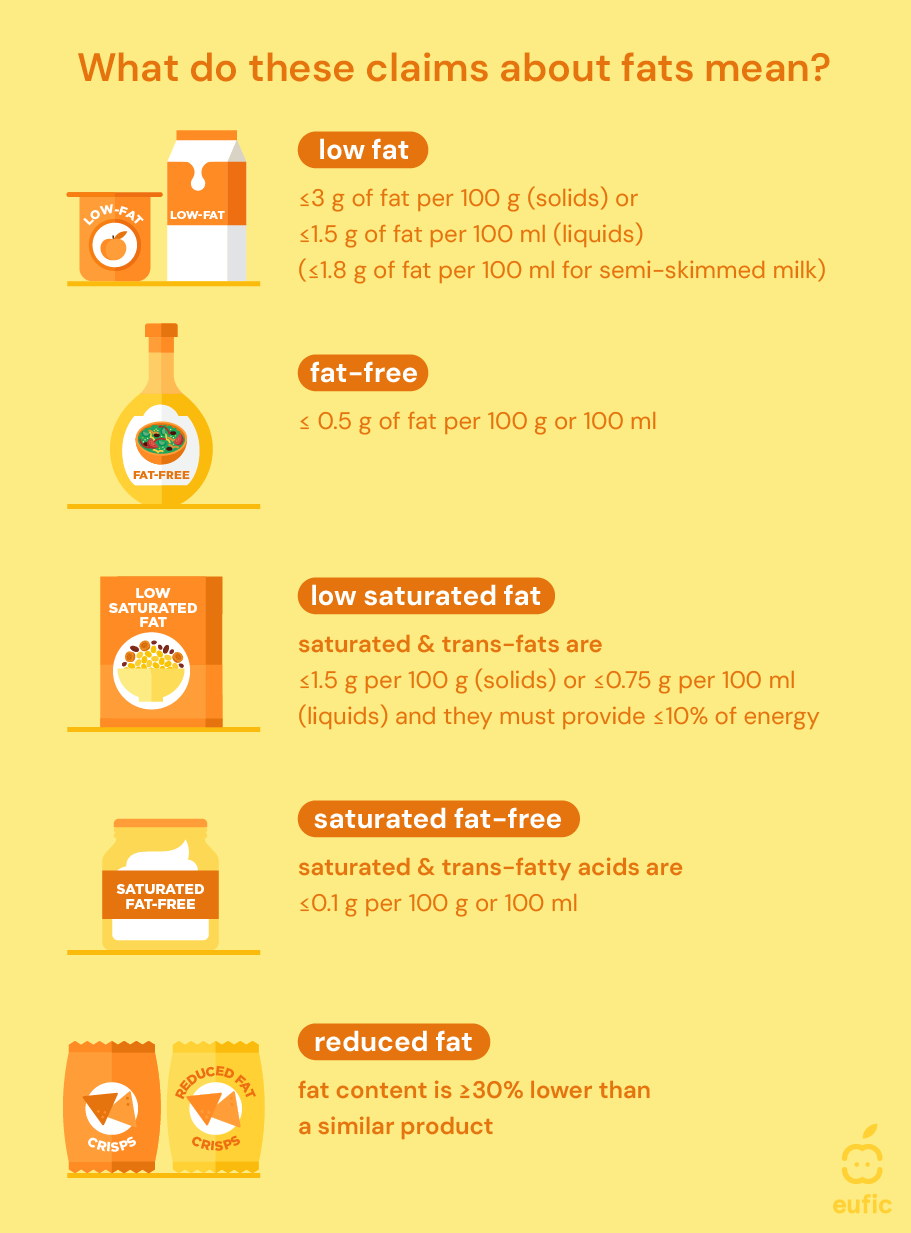
Figure 1. What do different nutrition claims on food products mean?
While these labels do indicate a lower fat content, they don’t tell you whether the product is nutritious overall. Fat contributes to several sensory attributes of foods, from flavour to texture, creaminess and melting in the mouth.2 Beyond taste and texture, dietary fat also plays an important nutritional role by supporting satiety and helping the body absorb fat-soluble vitamins such as vitamins A, D, E, and K. When fat is removed, both sensory qualities and some nutritional functions may be affected.
To compensate for the loss of sensory qualities, manufacturers may use protein-based replacers such as milk proteins, or egg whites, and carbohydrate-based replacers such as starches, maltodextrins, or gums.3 Reduced-fat and fat-free products may also be enhanced with more added sugar or salt to make up for these losses.4,5 High intakes of added sugar and salt are linked to poorer health outcomes, such as weight gain and higher risk of cardiovascular disease.6,7 That’s why a “low-fat” label on its own doesn’t guarantee a healthier choice. Some low-fat biscuits, flavoured yoghurts, sauces, or desserts can end up just as energy-dense, or less nutritious, than their full-fat versions.
Myth: fat should be avoided, so low-fat foods are always healthier.
The idea that “low fat” equals “healthy” has its roots in the 1990s, when dietary fat was widely blamed for weight gain and heart disease.8 In response, low-fat products were marketed as the healthier option, while foods containing fat were often seen as something to avoid.
However, fat is not a single ingredient with a single effect on the body. Different types of fats have different effects on our health. It’s not about eliminating fats, but choosing healthier fat sources.9 Unsaturated fats, found in foods like olive oil, nuts, seeds, avocado, and fatty fish, are linked to better heart health and anti-inflammatory effects.10,11,12 In contrast, saturated fats, commonly found in butter, cream, processed meats, and pastries, and trans fats, found in some baked goods, fried foods and industrially processed snacks, should be limited to protect cardiovascular health.10 Dietary guidelines recommend that no more than 30% of an adult’s daily energy intake should come from total fat (i.e., approximately 67 g/day based on a 2,000 kcal diet, or 83 g/day for a 2,500 kcal diet) with saturated fat recommended to be kept below 10% (i.e., approximately 22 g/day based on a 2,000 kcal diet, or 28 g/day based on a 2,500 kcal diet). Trans fatty acids should be as low as possible.10 In the EU, industrially produced trans fats are regulated, with a maximum limit of 2 g per 100 g of fat in foods.13
Fallacy: the “health halo” of low-fat claims.
This myth is driven by a health halo effect.9 When a food highlights one positive feature, such as being “low-fat” or “fat-free,” we tend to assume the entire product is healthy. That single claim can overshadow other important nutritional aspects, like high levels of added sugar, salt, or refined carbohydrates.
Moreover, this halo affect may affect how much we eat. Consumers tend to believe that low fat products contain less calories and they also overestimate the appropriate portion size.14 A “low fat” claim can give us unconscious permission to eat more, which may cancel out any potential benefit from the lower fat content.15
Low-fat foods aren’t inherently “good” or “bad.” Low or no fat products that remove fat without adding extra sugar, salt, and calories can be a smart and healthy choice. For example, low-fat dairy products like skimmed milk or reduced-fat yogurt still provide protein and calcium with less saturated fat and can be suitable for people with specific dietary goals or medical needs. However, because some fat-soluble vitamins are associated with the fat fraction, certain nutrients, such as vitamin D, may be present in lower amounts unless they are added through fortification.
The key is not to rely on nutrition claims alone. If you see “low fat” or “fat free” on a package, take a moment to check the nutrition table and ingredient list. Look at the overall balance of nutrients to compare between products for the healthiest option.
References
- Regulation (EC) No 1924/2006 of the European Parliament and of the Council of 20 December 2006 on nutrition and health claims made on foods. Accessed 18 June 2024.
- ‘Gaining consumer acceptance of low-fat foods’ (2006). In: Improving the fat content of foods. Cambridge, UK: Woodhead Publishing. pp. 236–251.
- Cerqueira MAP & Pastrana LM (eds.) (2023). Fat mimetics for food applications. Hoboken, NJ, USA: Wiley.
- Nguyen PK, Lin S & Heidenreich P (2016). A systematic comparison of sugar content in low-fat vs regular versions of food. Nutrition & Diabetes 6(1):e193.
- John KA, et al. (2016). Do lower calorie or lower fat foods have more sodium than their regular counterparts? Nutrients 8(8):511.
- World Health Organization website, ‘Sodium reduction’. Accessed 7 January 2026.
- World Health Organization Regional Office for Europe website, ‘Sugars factsheet’. Accessed 10 December 2025.
- Billingsley HE, et al. (2018). Dietary fats and chronic noncommunicable diseases. Nutrients 10(10):—.
- Liu AG, et al. (2017). A healthy approach to dietary fats: understanding the science and taking action to reduce consumer confusion. Nutrition Journal 16(1):53.
- World Health Organization (2023). Saturated fatty acid and trans-fatty acid intake for adults and children: WHO guideline. Geneva, Switzerland: WHO.
- Coniglio S, Shumskaya M & Vassiliou E (2023). Unsaturated fatty acids and their immunomodulatory properties. Biology 12(2):279.
- World Health Organization website, ‘WHO updates guidelines on fats and carbohydrates’. Accessed 19 October 2025.
- European Commission. (2019). Commission Regulation (EU) 2019/649 amending Annex III to Regulation (EC) No 1925/2006 on trans fat (excluding naturally occurring trans fat in animal fat). Official Journal of the European Union, L110, 17–20.
- Oostenbach LH, et al. (2019). Systematic review of the impact of nutrition claims related to fat, sugar and energy content on food choices and energy intake. BMC Public Health 19(1):1296.
- Chan C, Patch C & Williams P (2005). Australian consumers are sceptical about but influenced by claims about fat on food labels. European Journal of Clinical Nutrition 59:148–151.