What journalists need to know about sweeteners and cognitive decline
Last Updated : 13 April 2026
Food and nutrition studies can be difficult to report on, often arriving with uncertainty, nuance, and pressure for quick headlines. These briefings are designed for journalists, breaking down what the research actually shows and providing clear context to support accurate coverage.
A new study found a link between high intake of low- and no-calorie sweeteners (LNCDs) and faster cognitive decline. This result may generate headlines, but it needs careful context. Here are the key points journalists should consider.
Quick summary
A new eight-year cohort study on more than 12,000 Brazilian adults found a link between high intake of low- and no-calorie sweeteners (LNCDs) and faster cognitive decline. The differences were most noticeable in memory and verbal fluency (the ability to quickly come up with words), compared with people who ate smaller amounts of these sweeteners. The study does not show that sweeteners directly cause cognitive decline (cause-and-effect), because it observes patterns over time rather than testing whether sweeteners themselves are responsible. In this study, “high intake” meant roughly: the aspartame found in one can of diet soda per week, plus about two packets of saccharin per week, plus the acesulfame K in two to three cans of diet soda per week, and about one stick of sugar-free gum every one to two weeks.
What do the results mean?
The findings suggest a statistical link between higher sweetener intake and slightly faster cognitive decline, particularly in areas like memory decline and verbal fluency, in middle-aged Brazilian workers. These declines amount to the equivalent of about 1.3 to 1.6 extra years of cognitive ageing over an eight-year period. This means that, over eight years, people with higher sweetener intake showed cognitive changes similar to someone about one to one-and-a-half years older than their actual age. It is important to note that the associations were not seen in adults aged 60+.
To keep in mind if reporting
- Study type: this was a single observational study and cannot establish cause and effect.
- Avoid overstatement: statements such as “sweeteners cause memory loss” go beyond the evidence, which shows a statistical association only.
- Relative vs absolute change: percentage differences may appear large, but the absolute difference in cognitive ageing was small, which is more relevant for real-world interpretation.
- Effect size: the observed difference corresponds to approximately 1.3–1.6 additional years of cognitive ageing over an 8-year period, indicating a modest effect.
- Context for readers: the takeaway is caution, not alarm; this study does not demonstrate harm.
- Consensus unchanged: current evidence supports a balanced diet, moderation, and overall healthy lifestyle, and approved sweeteners remain safe within established intake levels.
What is the current scientific consensus on the topic?
| Authority | Position on LNCS and health |
| European Food Safety Authority (EFSA) |
EFSA’s latest re-evaluations (e.g., aspartame 2023) concluded that approved sweeteners are safe at current exposure levels and no evidence of neurotoxicity.1 As sweeteners are food additives, there are no recommendations on their consumption in the same way as we have recommendations for other nutrients like carbohydrates, proteins or fats. Rather, EFSA has set acceptable daily intake values (ADI) for each specific sweetener. |
| World Health Organization (WHO) | To reduce the risk of cognitive decline, prioritise regular physical activity, a healthy balanced diet or Mediterranean-style diet, tobacco cessation, reduce harmful alcohol use, and manage weight and cardiovascular risk factors (high blood pressure, diabetes, dyslipidaemia).2 |
In depth
What the study showed
- Participants were grouped according to their LCNS intake: high intake (191 mg/day), medium intake (66 mg/day), and low intake (20 mg/day).
- The researchers tracked changes in several cognitive tests over eight years:
- Memory decline task: Participants in the highest intake group showed a 32% faster rate of memory decline compared with those in the lowest intake group. This figure reflects a relative difference between groups, not a large absolute drop in memory performance for individuals.
- Verbal fluency task (the ability to generate words quickly and efficiently): participants with medium and high intake showed faster declines than those with low intake, 110% higher in the medium intake group and 173% higher in the highest intake group. The very large percentages arise because the baseline rate of decline in the low-intake group was small. This is a bit like doubling or tripling a very small number: the percentage change looks dramatic, even though the actual change is still small.
- Global cognition task: Decline rates were 35% higher in the medium intake group and 62% higher in the highest intake group, compared to the lowest intake group. When translated into real-world terms, this corresponds to roughly 1.3 to 1.6 additional years of cognitive ageing over an eight-year period, meaning participants’ scores resembled those of someone slightly older, rather than indicating major cognitive impairment.
- These results also differed depending on whether the participants were diagnosed with diabetes: the association of LNCSs intake and cognitive decline was larger in participants with diabetes than in participants without diabetes.
Artificial sweeteners are used everywhere, from diet drinks and “light” foods to sugar‑free products marketed for weight control, and many people consume them daily. Studies like this help clarify what higher long‑term intake might be associated with, especially as interest grows in how everyday dietary habits relate to brain health and cognitive decline.
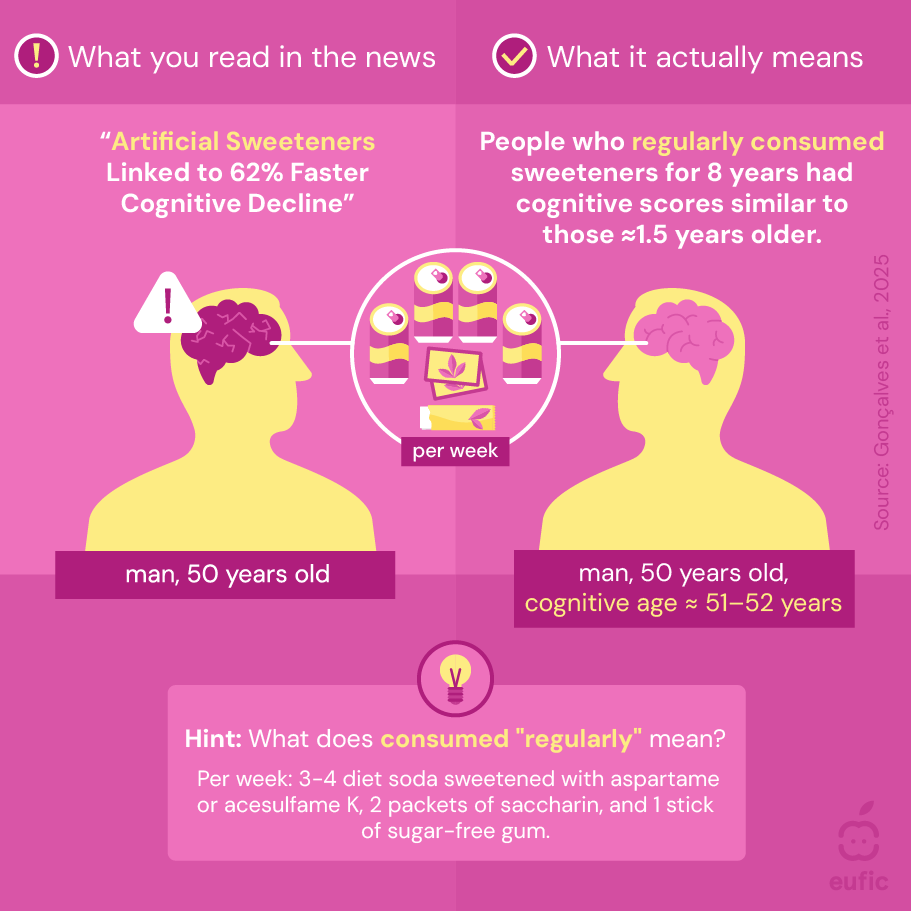
Figure 1. What’s the difference between absolute and relative risk?
What the study did not show
- Any cause-and-effect relationship: As an observational study, it can identify associations (correlations) but cannot establish a cause-and-effect relationship between high LNCS consumption and faster cognitive decline. Media outlets often gravitate towards headlines that imply direct harm or damage, such as "Artificial Sweeteners Are Damaging Your Brain" or "Sweeteners Cause Cognitive Decline." This simplifies the nuanced findings of an observational study into a causal statement, which is a common misrepresentation. Headlines suggesting “sweeteners harm brain health” overstate the evidence. You can read more about associations and cause-and-effect here !
- Any correlation for all types of sweeteners: The study investigated associations for only seven LNCSs (aspartame, saccharin, acesulfame K, erythritol, sorbitol, xylitol, and tagatose) and could not evaluate others such as sucralose, which was introduced during data collection and therefore not captured. Sucralose is a popular table-top sweetener used in sweetened coffee. This means that the results reflect the associations of these seven sweeteners only and cannot be generalised to other widely used LNCSs.
- Any specific biological evidence / mechanism: The study did not include neuroimaging. This means that it could not examine structural brain changes or identify biological mechanisms that might explain the observed associations. Without brain scans or mechanistic data, we cannot tell how or why higher sweetener intake might relate to cognitive decline, so the findings describe a pattern but offer no insight into the processes behind it.
- Any applicability to general population: The study was conducted among Brazilian civil servants aged 35+ years, with specific demographic characteristics. This implies that the findings reflect this cohort and may not extend to populations with different ages, occupations, or cultural and dietary backgrounds. Because the sample represents a particular working population, the results should be interpreted as relevant to this group rather than as evidence that the same associations apply universally.
How the research was done
- Sample: 12,772 participants from a cohort of civil servants in Brazil. At baseline, participants were aged 35+ years, with a mean age of 51.9 ± 9.0 years, 54.8% women, and 43.2% Black/mixed race.
- Data: Self-reported food questionnaires, self-filled cognitive tasks, collected over 3 periods: 2008–2010, 2012–2014, and 2017–2019.
- Primary outcomes & how were they measured:
- The researchers tracked changes in participants’ thinking and memory over eight years, checking their cognitive abilities every four years.
- They looked at key skills such as remembering everyday information (episodic memory), retrieving words from memory (semantic and phonemic verbal fluency), and processing information, switching between tasks, and staying mentally organised (processing speed/executive function).
- These results were combined into overall scores so the team could see how each person’s cognitive performance changed over time.
- The researchers accounted for many factors that might influence both sweetener intake and cognitive health, such as age, sex, education, income, physical activity, BMI, hypertension, diabetes, cardiovascular disease, depressive symptoms, alcohol consumption, smoking, total calories, and MIND diet.
- Why? To help ensure the differences they observed weren’t simply due to these other influences. Confounding can never be removed completely, but adjusting for it helps make the comparisons between groups more reliable.
- Design: Longitudinal
EUFIC resources available
Sweeteners: Addressing Common Questions and Debunking myths
Aspartame (Q&A): What is it and what foods contain this additive?
Sweeteners Communication Lab 1 : expert discussions
Sweeteners Communication Lab 2 : Cocreating guidelines for healthcare professionals
References
- EFSA Panel on Food Additives and Nutrient Sources added to Food (ANS). (2013). Scientific Opinion on the re‐evaluation of aspartame (E 951) as a food additive. EFSA Journal, 11(12), 3496.
- World Health Organization. (2019). Risk reduction of cognitive decline and dementia: WHO guidelines. World Health Organization.
Original study: Neurology® 2025;105:e214023. doi:10.1212/WNL.0000000000214023