Food waste
Every day, large quantities of food are wasted – food that could have been consumed, or could have other uses. How can we all act to reduce the amount of food we waste, to save money and natural resources, and help make sure that those in need are fed?
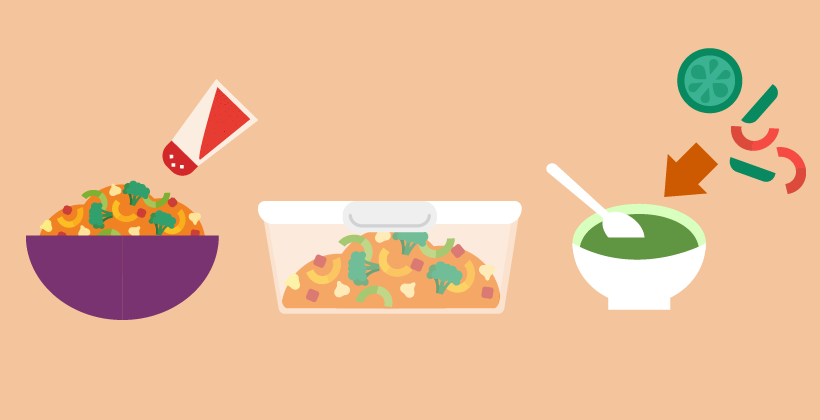
How to reduce and avoid food waste at home
02 September 2026Over half of the EU’s 58 million tonnes of annual food waste comes from homes. To tackle this challenge, plan, shop, store, and cook meals smarter to reduce waste.
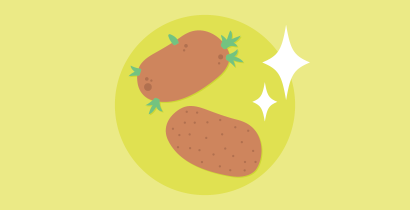
How to store potatoes to minimise sprouting and extend their shelf life
22 June 2026Should you cut away sprouts and green patches from potatoes? Find out the answer along with other practical tips on how to store potatoes in this article.
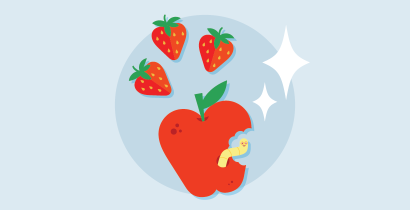
How to best store strawberries and apples so they stay fresh longer
18 June 2026Are you storing apples and strawberries in the fridge? If not, this article explains why to do so, to keep them fresh for longer.
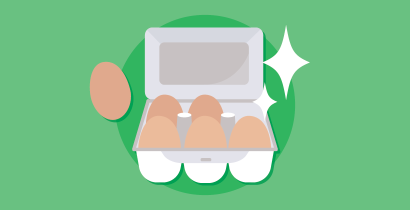
How to best store raw and boiled eggs to keep them fresh and prevent spoilage
18 June 2026There is often confusion about how to properly store eggs. While it may seem simple at first, a few important steps are needed to help prevent spoilage.
How to keep potted and fresh herbs fresh for longer at home
18 June 2026Leafy, woody, potted or fresh herbs all need slightly different storage conditions, which can sound confusing. Find out how to store them properly in the article.
How to store bananas properly so they ripen more slowly and last longer
18 June 2026Different storage methods can speed up or slow down banana ripening. This article explains how bananas ripen and how to store them properly.
How to store onions and garlic to keep them fresh longer and minimise sprouting
18 June 2026Which storage methods and conditions help onions and garlic stay fresh longer and slow down sprouting? Find out the answer in this article.

Food waste in Europe: statistics and facts about the problem
30 August 2024Would you go into a supermarket, buy five shopping bags of food, and then immediately throw one away? Statistically, that’s what’s happening to our food today.
Using mild processing techniques to reduce food waste: The innovative FOX project
27 November 2023What happens to all the fruits and vegetables that don’t meet the standards to be sold as fresh produce or that are left behind due to overproduction?
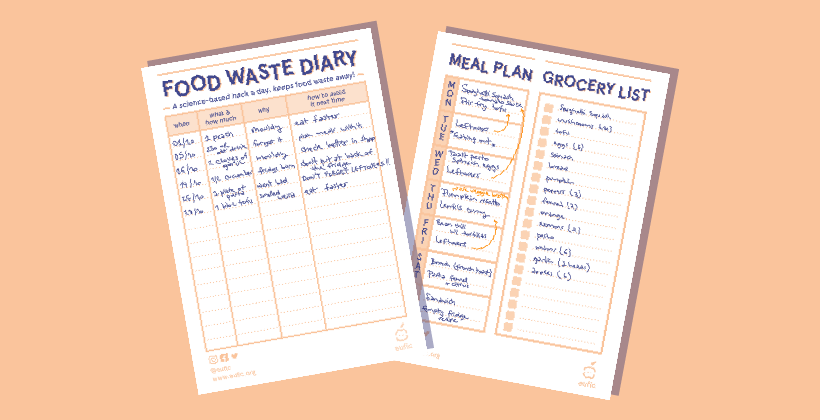
Have you ever tried a food waste diary?
27 September 2021Tracking and realising how much food waste we produce can help us reduce the amounts of food we waste. This diary template will allow you to track what food you waste, how much of it and for what reasons but also how to avoid it in the future.