Alcohol and health: are any options healthy & how many units weekly?
Last Updated : 23 June 2026Key Takeaways:
- Alcohol is a toxic substance that affects the brain and nervous system, can lead to dependence and harms health. Even light drinking (1-2 units per day) increases health risks, including several long-term diseases such as cancer, heart disease, stroke, and liver disease.
- The safest choice is no alcohol, as advised by the World Health Organization.1 If you choose to drink, do so with full awareness of the risks, limit consumption to 14 units per week, spread over at least 3 days, with several alcohol-free days in between and avoid binge drinking (more than 8 units in a single session for men or over 6 units for women).2
- No alcoholic drink is a healthy option. Although red wine contains polyphenols (antioxidants) that have been linked to potential heart and gut health benefits, the overall evidence in humans is inconsistent and largely based on observational studies, which cannot prove cause and effect. Apparent benefits are likely explained by broader lifestyle factors rather than alcohol itself.
- Alcohol is relatively high in calories and provides little nutritional value. Regular drinking can contribute to excess calorie intake and weight gain, particularly when combined with sugary mixers, such as cola, soda, tonic water, fruit juice, ginger beer, or cordial.
- Reducing alcohol intake can lead to meaningful health benefits. Cutting down may improve sleep, energy levels, mood and mental clarity in the short term, and support heart health and immune function over time.
Alcohol consumption remains common across Europe. In 2019, 8.4% of EU adults reported drinking alcohol daily and 28.8% weekly.3 Harmful drinking patterns are particularly common among older adults and men. Because alcohol is linked to increased risks of cancer, liver disease, cardiovascular disease, and mental health problems, understanding how alcohol affects health remains an important public health topic.
In this article we explore what alcohol is and whether it’s considered a drug, how to calculate alcohol units, recommended intake limits per week, whether there is really a healthiest alcohol, and helpful tips to reduce your intake.
What is alcohol and how is it produced?
The alcohol found in drinks is ethanol (C2H5OH) and is produced alongside carbon dioxide when sugar, specifically glucose and fructose, is broken down by yeast through a process called fermentation. Wine and cider are produced by fermented fruit (e.g., grapes, apples), while beer and spirits are formed from fermented cereal grains (e.g., barley, rye). Spirits (e.g., gin, rum, vodka, whisky, tequila and sambuca) also go through a process called distillation to increase their alcohol concentration.
Is alcohol a drug?
Alcohol is classified as a drug by the World Health Organization (WHO) because when taken into the body, it’s a substance that slows down brain function and changes how your nerves send messages back and forth.4 It can affect how you feel, think, and act, including your mood, coordination and decision-making. Alcohol is also toxic and can be highly addictive, meaning regular use may lead to dependence.4
How long does alcohol stay in your system?
After you drink, alcohol is absorbed from the stomach and small intestine into the bloodstream. From there, it travels around the body, including to the brain, causing intoxication.
Blood alcohol concentration (BAC) measures the amount of alcohol present in the bloodstream after drinking. It is typically expressed as the amount of alcohol in grams (g) per 100 millilitres (ml) of blood.
Most alcohol is broken down (metabolised) by the liver, which uses enzymes such as alcohol dehydrogenase (ADH) and aldehyde dehydrogenase, to convert it into other substances that the body can safely remove. On average, alcohol is removed from the body at the rate of about one unit (1 unit equals 10 ml or 8 g of pure alcohol) an hour.5 However, how quickly alcohol affects your and how long it stays in your system varies depending on several factors:
- Body weight and composition: people with a lower body weight or less body water tend to reach a higher BAC because the same amount of alcohol is distributed in a smaller volume. In contrast, individuals with more muscle mass (which contains more water than fat) and higher body weight have more body fluid to dilute alcohol, leading to a lower BAC.
- Age: as we age, body composition changes, typically with more body fat and less muscle mass, reducing total body water. This means alcohol becomes less diluted, leading to higher BAC. In addition, liver function can decline with age, slowing the breakdown of alcohol and prolonging its presence in the bloodstream.
- Sex: women often reach a higher BAC than men after consuming the same amount of alcohol. This is mainly because women generally have less body water and more body fat, so alcohol is less diluted. Women also tend to have lower activity of ADH, meaning alcohol may be broken down more slowly.
- Type and amount of alcohol: drinking large amounts or consuming alcohol quickly leads to a faster rise in BAC because the liver can only process alcohol at a fixed rate. Stronger drinks (like spirits) may also be consumed more quickly, increasing the speed at which alcohol enters the bloodstream.
- Food intake: drinking on an empty stomach allows alcohol to pass more quickly into the small intestine, where it is rapidly absorbed into the bloodstream, resulting in a higher BAC. Eating before or while drinking slows gastric emptying, delaying absorption and leading to a lower peak BAC.
- Stress levels: stress can indirectly affect alcohol levels by influencing drinking behaviour. For example, stress can lead some people to drink more or more quickly. While stress hormones may slightly affect metabolism, their overall impact on alcohol clearance is small compared to factors like body composition and drinking patterns.
What is one unit of alcohol?
Alcohol units are a way to express how much pure alcohol a drink contains. However, the definition of a “standard drink” or “unit” differs between countries.6
- In the UK, 1 unit = 10 ml or 8 g of pure alcohol, which is around the amount of alcohol the average adult can process in an hour.
- Alcohol by volume (ABV) is a measure of the amount of pure alcohol as a percentage of the total volume of liquid in a drink.
Some examples include:
- Single small shot of spirits (25ml, 40% ABV) = 1 unit
- Alcopop (275ml, 4.6% ABV) = 1.3 units
- Bottle of lager, beer or cider (330ml, 5% ABV) = 1.7 units
- Standard glass of red, white, rose wine (175ml, 12% ABV) = 2.1 units
- Can of lager, beer or cider (440ml, 5.5% ABV) = 2.4 units
You can calculate units by multiplying the total volume of any drink (ml) by its ABV (%) and dividing the results by 1000.7
volume (ml) x strength (%) ÷ 1000 = units
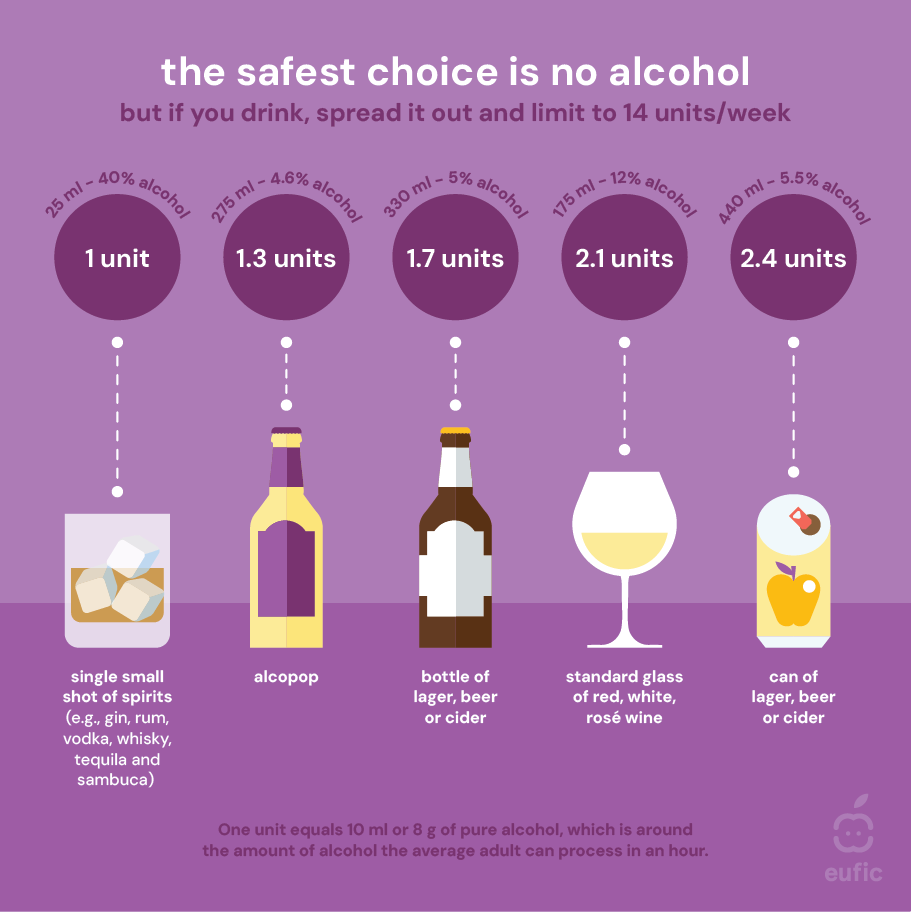
Figure 1. How many units of alcohol are in different alcoholic beverages?
How many calories are in alcohol?
Alcohol contains 7 calories per gram, making it almost as energy dense as fat (9 calories per gram). Alcoholic drinks are often high in sugar and lack essential nutrients which means it’s easy to drink large amounts without feeling full.
Some examples include:6
- Gin (25 ml): 49 kcal
- Whisky (25 ml): 61 kcal
- Bottle of beer (300 ml): 132 kcal
- Glass of red wine (175 ml): 133 kcal
- Can of cider (330 ml): 182 kcal
- Pint of beer (568 ml): 250 kcal
Higher alcohol content (ABV) usually means higher calorie content. Added sugary mixers such as cola, tonic water, energy drinks or fruit juice can also increase calorie intake.
How many alcohol units per week are recommended? Is there a safe level of alcohol consumption?
The WHO has made it clear that when it comes to alcohol, there is no safe level of consumption.1 Even small amounts can increase the risk of health conditions over time, including certain cancers, liver disease, pancreatitis, cardiovascular issues, and early dementia.8
However, if you’re going to drink, many countries provide recommendations to keep health risks from alcohol to a low level.
In the UK:7
- Drink no more than 14 units per week
- Intake should be spread across at least three days
- Have several alcohol-free days each week
Public health guidelines vary across Europe. Some countries differentiate between men and women, recommending no more than 1-2 units of alcohol per day, while others suggest moderation without specifying limits.9
What is the healthiest alcohol to drink?
There is a common belief that a glass of red wine is good for your heart. This idea partly stems from the presence of bioactive compounds called polyphenols. They’re found in the skins and seeds of red grapes used to produce wine and may reduce inflammation, improve blood vessel function and limit oxidative stress.10 One commonly researched polyphenol is resveratrol, which has shown anti-inflammatory and antioxidant effects in laboratory and animal studies.
However, these studies tend to focus on the effect of resveratrol in isolation without studying red wine itself. The resveratrol content in red wine (0.2-35 mg per 175ml glass) is also far below doses used in research (150-500 mg/day). To obtain equivalent amounts would require consuming hundreds of glasses of wine daily and result in fatal alcohol poisoning. Therefore, any potential benefits of polyphenols are likely outweighed by the harms of alcohol in real-world drinking.
While some human studies show that small amounts of red wine may provide health benefits such as reducing risk of heart disease and improving gut health,11,12 wider evidence remains conflicting. Most of the studies are observational, meaning they can show links but cannot prove causality, and often rely on self-reported alcohol intake, which can be unreliable.
For example, a recent study following UK adults found that people who drank moderate levels of beer, cider, or spirits had a higher risk of death from causes such as heart disease and cancer, while those who drank similar amounts of wine appeared to have a lower risk.13 Moderate amounts were defined as 17.5 to 35 units/week for men and 8.75 to 17.5 units/week for women - well above the recommended 14 units/week.7 However, this does not necessarily mean wine itself is protective. Researchers found that higher alcohol consumption of any type increased the risk of death, particularly from cancer. Wine drinkers also tended to, on average, have healthier overall diets, higher incomes, and better access to healthcare. Therefore, any observed benefits were likely due to broader lifestyle patterns, not alcohol itself.
In addition, alcohol itself can temporarily widen blood vessels (a process called vasodilation), which may create short-term effects on blood flow and blood pressure that appear beneficial for cardiovascular health. However, chronic alcohol consumption has the opposite effect and can damage blood vessels over time, contributing to high blood pressure and reduced vascular elasticity.14
Overall, no alcoholic drink is a healthy option. There are plenty of safe ways to increase your polyphenol intake without drinking alcohol, including berries, black tea or coffee, nuts and seeds, olives (and extra-virgin olive oil), fruit and vegetables, beans, some soy-based products, and alcohol-free red wine.15
How does alcohol affect your health?
What are the short-term health risks of drinking alcohol?
Alcohol poisoning
Drinking alcohol quicker than your body is able to process it out of your blood can lead to alcohol poisoning, which can be extremely dangerous and stop your body from working properly.16 Alcohol poisoning is usually caused by binge drinking, where you consume a lot of alcohol in a short space of time or drink to get drunk. For men, having over 8 units in a single session is classed as binge drinking, equivalent to 3 pints of cider or 5 bottles of beer. For women, it’s drinking over 6 units. That’s equivalent to, for example, two large glasses of wine.2
However, there is no minimum amount that could cause alcohol poisoning as alcohol affects everyone differently. Signs to look out for include confusion, severely slurred speech, loss of coordination (e.g., unable to stand, walk or pick things up), vomiting, slow or irregular breathing, pale or blue-tinged skin due to low body temperature, or loss of consciousness.
If you think someone might be experiencing alcohol poisoning, call emergency services immediately. Alcohol will continue to be absorbed into the bloodstream from the digestive system even after someone stops drinking, meaning symptoms can worsen.
Alcohol flush
The alcohol flush reaction is a type of alcohol intolerance, caused by genetic variation in the production of enzymes that break down alcohol, specifically the aldehyde dehydrogenase enzyme. This can lead to a rapid build-up of a toxic chemical called acetaldehyde, which causes a warm red face as well as other symptoms such as a rapid heartbeat, headache, nausea, itching, a rash, and even vomiting.17
While the reason for this genetic variation is unclear and occurs rarely in those of European descent, it’s particularly common in East Asian populations (China, Japan, Korea, and Taiwan).18 Those who experience the alcohol flush reaction and still drink alcohol have a higher risk of cancer, including cancer of the oesophagus (food pipe).19 This is because acetaldehyde is a known carcinogenic,20 therefore the longer it accumulates in the body, the greater the cancer risk. The best way to avoid alcohol flush is to avoid drinking or limit alcohol intake.
Dehydration
Alcohol is a diuretic, meaning it promotes water loss through urine and makes you urinate more frequently.21 This can lead to dehydration if this fluid is not replaced, making you feel thirsty, dizzy, lightheaded and tired.22 It is important to replace lost fluid by drinking extra water if you choose to drink alcohol.
Sleep disruption
Alcohol might help you fall asleep quickly, but it disrupts the deep, restorative Rapid Eye Movement (REM) stage of sleep which may cause you to wake up more often.23 Even one or two drinks can leave you feeling groggy and low energy the next day. Drinking less can lead to better quality sleep and more sustained energy.
What are the long-term health risks of drinking alcohol?
Weight gain
Alcohol can make maintaining a healthy weight more difficult through several different mechanisms. First, alcoholic drinks are high in calories. One gram of pure alcohol (ethanol) contains around 7 kcal, meaning a standard alcoholic drink containing 10 g of alcohol provides about 70 kcal from alcohol alone, not including additional calories from sugars or carbohydrates found in drinks such as beer, wine, or sugary mixers. Unlike solid foods, liquid calories from alcohol also tend to be less filling, meaning people often do not compensate by eating less later on.24
Alcohol can also make overeating more likely. It may enhance the rewarding effect of food, reduce inhibitions that normally help regulate eating behaviour, and interfere with hormones and neurotransmitters involved in hunger and fullness signals. As a result, people often consume more high-calorie foods when drinking alcohol.24
In addition, alcohol affects how the body processes nutrients. After drinking alcohol, the liver prioritises breaking down alcohol before fat. This temporarily slows fat breakdown and promotes greater fat storage in the body, particularly around the abdominal region. Over time, excess alcohol intake can therefore contribute to weight gain and fatty liver disease.25-27
Cancer
Alcohol is classified as a Group 1 carcinogen by the WHO,4 with strong evidence linking it to an increased risk of at least 7 types of cancer, including breast, bowel, mouth, throat, oesophagus, and stomach.28 Studies now show that even light drinking (1-2 units/day, about 1 drink) raises cancer risk, with heavier drinking (>6 units/day, roughly 3-4 drinks) increasing it more.29 Alcohol interferes with how your cells grow and repair themselves. It can cause chronic inflammation, DNA damage, and raise oestrogen levels, all of which contribute to increased cancer risk. Alcohol also makes it easier for other carcinogens (like those from tobacco smoke) to enter and harm your body.
Liver disease
The liver is central to breaking down food and other substances in the body. When your liver has to repeatedly break down more than a little alcohol, it struggles to do its job and can become fatty and then scarred, causing permanent damage to this vital organ. Regularly drinking more than 14 units a week increases your risk of alcohol-related liver disease (ARLD). The earliest stage is alcoholic fatty liver disease, where fat accumulates in liver cells after heavy drinking.30 This stage is often reversible if alcohol consumption stops. Continued drinking may lead to alcohol hepatitis, an inflammatory condition that can be potentially life-threatening.31 Over time, persistent alcohol exposure can result in cirrhosis, where healthy liver tissue is replaced by scar tissue. Cirrhosis is irreparable and can lead to alcohol-related liver cancer or liver failure which is fatal.32
Cardiovascular disease
Alcohol also affects the cardiovascular system, increasing the risk of coronary heart disease and high blood pressure.33,34 Heavy drinking can weaken the heart and damage the lining of blood vessels, contributing to the build-up of fatty deposits in artery walls, a process known as atherosclerosis.34 This narrowing of the arteries makes it harder for blood to be pumped around your body and can also lead to blood clots that can cause heart attacks, strokes and brain damage.35
Dementia
Some earlier studies suggested that low to moderate levels (1-6 drinks weekly) of alcohol may be beneficial for brain health,36 but more recent research challenges this idea. Previous studies were mostly observational and may be misleading as people in the early stages of dementia often drink less, making light or moderate drinking appear protective.37 They also tend to focus on older adults and don’t accurately capture people’s lifelong drinking habits. Large-scale studies combining observational and genetic data indicate that any level of alcohol may increase dementia risk.38 Even small amounts of alcohol (about 1-2 drinks a day) have been linked to smaller brain volume and changes in brain connections, which may reflect loss or damage to brain cells.39,40
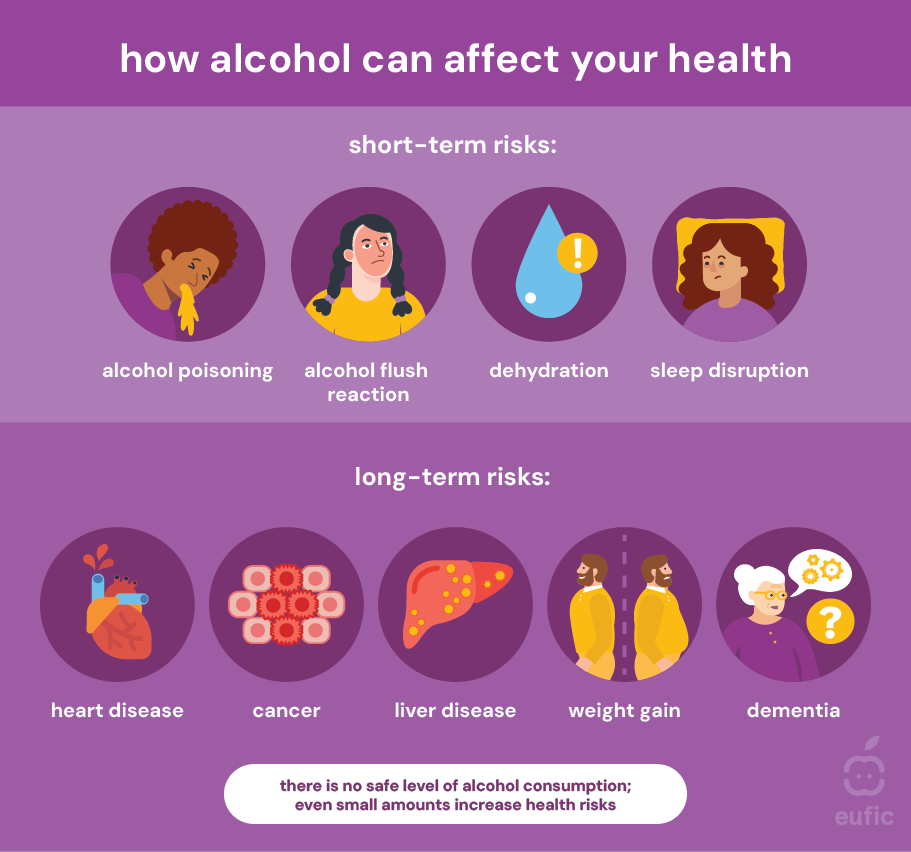
Figure 2. What are the short-term and long-term risks of drinking alcohol?
When should you avoid drinking alcohol?
Signs of alcohol dependence
If you start to notice patterns such as feeling the need to drink often, prioritising drinking over work or family, needing more to get the same effect, getting into trouble because of drinking, receiving warnings from others, or noticing that alcohol is affecting your physical or mental health, it’s possible you’ve become dependent on alcohol and should seek help from a healthcare professional.
Certain medications
Some medications change the way that alcohol is processed in your body, and you may feel the effects of alcohol more quickly and intensely. Drinking alcohol can also mean that some medicines will stop working or won’t work as well as they should. For this reason, it’s often recommended to limit or avoid alcohol when taking medication, and to check specific advice for each drug.
Pregnant or breastfeeding
If you are pregnant, trying to conceive, or think you might be pregnant, the safest option is not to drink any alcohol. Alcohol can harm the way your baby develops and grows in the uterus, with health risks increasing the more you drink. This is because alcohol passes directly into your baby’s blood through the placenta.1,41 Drinking during pregnancy increases the risk of miscarriage, premature birth, low birthweight, and affects your baby’s long-term health.42 Alcohol can also pass into your breastmilk and harm your baby if you are breastfeeding.43
Driving
Drinking alcohol slows down your reactions and impairs judgement, making your driving unsafe and putting you and others at greater risk of accidents. Every EU country sets its own drive-driving limits;44 however, the safest and best advice is to avoid alcohol completely if you have to drive.
Existing health conditions
Alcohol can also worsen certain medical conditions. For example, alcohol can make it harder to manage diabetes as it disrupts your body’s ability to maintain stable blood sugar levels. This may result in low blood sugar (hypoglycaemia) which can require hospitalisation if not treated straight away.45 Alcohol can raise blood pressure, putting strain on your heart and increasing risk of severe hypertension.46
Alcohol can also worsen mental health conditions. While it may have a temporary positive effect on your mood, it can contribute to feelings of depression and anxiety in the long term, as well as making stress harder to deal with. That’s because alcohol is a depressant, interfering with chemicals and processes in the brain, affecting your thoughts, feelings and actions, which often makes symptoms harder to manage.47,48
How to leave, avoid or stop drinking alcohol?
Many of us are looking to reduce our alcohol intake but we often find it difficult in social situations. Simple strategies can help.
The 1-2-3 rule
- No more than 1 drink per hour
- No more than 2 drinks per occasion
- No more than 3 drinks per day
The 20-minute rule
Waiting 20 minutes before having another drink can reduce the total amount consumed.
Other helpful tips to support your health:
- Choose smaller servings
- Avoid double measures of spirits
- Alternate alcoholic drinks with water or soft drinks
- Dilute drinks with soda water or other sugar-free mixers
- Try alcohol-free or low-alcohol alternatives
- Have several alcohol-free days each week
What are the withdrawal effects of alcohol?
Alcohol withdrawal can happen when someone who has been drinking heavily for a long time suddenly stops or cuts down. Since alcohol affects the brain and nervous system, the body can become use to its presence. When it’s removed the brain can become overactive, leading to a range of symptoms.
Common withdrawal symptoms include anxiety, sweating, hand tremors (shaking), nausea or vomiting, headaches and difficulty sleeping.49 These mild symptoms can start within 24 hours after the last alcoholic drink.50 In more severe cases, people may experience hallucinations (seeing, hearing, or feeling things that aren’t real) or seizures.51
Withdrawal can be dangerous and even life-threatening, so people who are dependent on alcohol are often advised to seek medical support to help them safely reduce drinking instead of stopping suddenly on their own.
What are alcohol-free alternatives?
There are plenty of delicious, healthy alternatives to drink instead of alcohol.
Here are four tasty options:
- Sparkling water / flavoured sparkling water – great replacement for that glass of wine or cocktail. Add a slice of lemon, lime, a few fresh berries or a sprig of mint for a burst of flavour.
- Herbal teas – are a delicious choice and packed with antioxidants, from chamomile to peppermint. Try serving your tea iced with a splash of honey and fresh fruit for a sweet treat.
- Kombucha – perfect if you enjoy the tangy taste of beer or cider. This fermented tea has a slight fizz and a complex profile that can satisfy your craving for something more robust.
- Mocktails – are a refreshing taste of summer. Enjoy a berry fizz made with elderflower cordial, sparkling water and fresh blueberries for a healthy alternative to prosecco or a fruity slushie combining the tangy notes of watermelon, raspberries and lime.
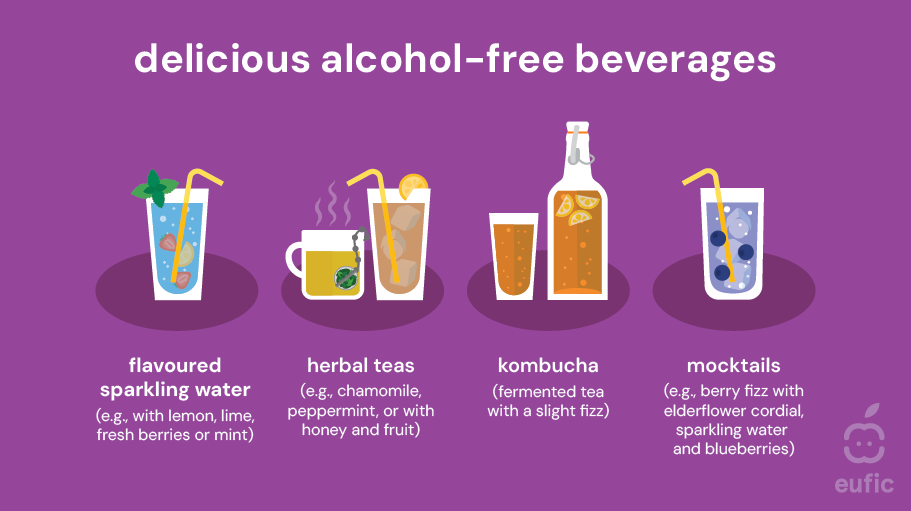
Figure 3. Delicious alcohol-free beverages.
References
- Anderson BO, et al. (2023). Health and cancer risks associated with low levels of alcohol consumption. The Lancet Public Health 8(1): e6-e7.
- Office for National Statistics (2018). Adult drinking habits in Great Britain: 2017. Accessed 4 May 2026.
- Eurostat. (2021). One in twelve adults in the EU consumes alcohol every day. Accessed 26 May 2026.
- World Health Organisation (WHO) (2024). Alcohol. Accessed 4 May 2026.
- Jones AW (2019). Alcohol, its absorption, distribution, metabolism, and excretion in the body and pharmacokinetic calculations. Wiley Interdisciplinary Reviews: Forensic Science 1(5).
- RIVM. (2025). NEVO-online 2025/9.0. Accessed 4 May 2026.
- Department of Health (2016). UK Chief Medical Officers’ Low Risk Drinking Guidelines. Accessed 4 May 2026.
- Griswold MG, et al. (2018). Alcohol use and burden for 195 countries and territories, 1990-2016: a systematic analysis for the Global Burden of Disease Study 2016. The Lancet 392(10152):1015-1035.
- International Alliance for Responsible Drinking (IARD) (2022). Drinking guidelines: General population. Accessed 4 May 2026.
- Markoski MM (2016). Molecular Properties of Red Wine Compounds and Cardiometabolic Benefits. Nutrition and Metabolic Insights 9.
- Castaldo L, et al. (2019). Red Wine Consumption and Cardiovascular Health. Molecules 24(19):3626.
- Le Roy, et al. (2020). Red Wine Consumption Associated with Increased Gut Microbiota a-Diversity in 3 Independent Cohorts. Gastroenterology 158(1):270-272.e2.
- Li, et al. (2026). Alcohol use at mid-life and all-cause and cause-specific mortality. JACC 87(13): A292.
- Jebari-Benslaiman S, et al. (2022). Pathophysiology of Atherosclerosis. International Journal of Molecular Sciences 23(6): 3346.
- Perez-Jimenez J, et al. (2010). Identification of the 100 richest dietary sources of polyphenols: an application of the Phenol-Explorer database. European Journal of Clinical Nutrition 64(S3): S112-S120.
- Mirijello A, et al. (2023). Identification and management of acute alcohol intoxication. European Journal of Internal Medicine 108: 1-8.
- Moh I, Simon D, Gross ER. (2024). The Alcohol Flush Response. Graphic Medicine Review 4(1): e807.
- Matsumura Y, et al. (2019). Gene Therapy Correction of Aldehyde Dehydrogenase 2 Deficiency. Molecular Therapy 15: 72-82.
- Brooks PJ, et al. (2009). The Alcohol Flushing Response: An Unrecognised Risk Factor for Esophageal Cancer from Alcohol Consumption. PLoS Medicine 6(3): e1000050.
- Seitz HK & Stickel F. (2010). Acetaldehyde as an underestimated risk factor for cancer development: role of genetics in ethanol metabolism. Genes & Nutrition 5(2): 121-128.
- Palmer E, et al. (2019). Alcohol Hangover: Underlying Biochemical, Inflammatory and Neurochemical Mechanisms. Alcohol and Alcoholism 54(3): 196-203.
- Hobson RM & Maughan RJ. (2010). Hydration Status and the Diuretic Action of a Small Dose of Alcohol. Alcohol and Alcoholism 45(4): 366-373.
- Thakkar MM, Sharma R & Sahota P. (2015). Alcohol disrupts sleep homeostasis. Alcohol 49(4): 299-310.
- Yeomans MR. (2010). Alcohol, appetite and energy balance: is alcohol intake a risk factor for obesity? Physiol Behav.;100:82–9.
- Raben A, et al. (2003). Meals with similar energy densities but rich in protein, fat, carbohydrate, or alcohol have different effects on energy expenditure and substrate metabolism but not on appetite and energy intake. The American journal of clinical
- Suter PM, & Tremblay A. (2005). Is alcohol consumption a risk factor for weight gain and obesity? Critical reviews in clinical laboratory sciences, 42(3), 197-227.
- Sumi M, et al. (2018). Association of alcohol consumption with fat deposition in a community-based sample of Japanese men: The Shiga Epidemiological Study of Subclinical Atherosclerosis (SESSA). Journal of epidemiology, JE20170191.
- World Cancer Research Fund. (2018). Diet, Nutrition, Physical Activity and Cancer: A Global Perspective A Summary of the Third Expert Report.
- Jun S, et al. (2023). Cancer risk based on alcohol consumption levels: a comprehensive systematic review and meta-analysis. Epidemiology and Health 45: e2023092.
- Malnick SD, et al. (2022). Fatty Liver Disease-Alcoholic and Non-Alcoholic: Similar but Different. International Journal of Molecular Sciences 23(24): 16226.
- Seitz HK, et al. (2018). Alcoholic liver disease. Nature Reviews Disease Primers 4(16).
- Ganne-Carrie N (2018). Estimate of hepatocellular carcinoma incidence in patients with alcoholic cirrhosis. Journal of Hepatology 69(6): 1274-1283.
- Biddinger KJ, et al. (2022). Association of Habitual Alcohol Intake with Risk of Cardiovascular Disease. JAMA Network Open 5(3): e223849.
- Cecchini M, et al. (2024). Alcohol Intake and Risk of Hypertension: A Systematic Review and Dose-Response Meta-Analysis of Nonexperimental Cohort Studies. Hypertension 81(8): 1701-1715.
- Tackling G & Borhade MB. (2025) Hypertensive Heart Disease. National Library of Medicine; StatPearls Publishing.
- Mukamal KJ, et al. (2003). Prospective Study of Alcohol Consumption and Risk of Dementia in Older Adults. JAMA 289(11): 1405.
- Mewton L, et al. (2022). The relationship between alcohol use and dementia in adults aged more than 60 years: a combined analysis of prospective, individual-participant data from 15 international studies. Addiction 118(3).
- Topiwala, et al. (2026). Alcohol use and risk of dementia in diverse populations: evidence from cohort, case-control and Mendelian randomisation approaches. BMJ Evidence-Based Medicine 31(1): 13-22.
- Daviet R, et al. (2022). Associations between alcohol consumption and gray and white matter volumes in the UK Biobank. Nature Communications 13(1): 1175.
- Topiwala A, et al. (2022). Alcohol consumption and MRI markers of brain structure and function: Cohort study of 25,378 UK Biobank participants. NeuroImage: Clinical 35: 103066.
- Popova S, et al. (2021). Alcohol’s Impact on the Foetus. Nutrients 13(10): 3452.
- Saxov KR, et al. (2023) Maternal alcohol consumption and the risk of miscarriage in the first and second trimesters: A systematic review and dose-response meta-analysis. Acta Obstetricia et Gynecologica Scandinavica 102(7): 821-832.
- May PA. (2016) Breastfeeding and maternal alcohol use: Prevalence and effects on child outcomes and foetal alcohol spectrum disorders. Reproductive Toxicology 63: 13-21.
- European Transport Safety Council. (2026). Blood Alcohol Content (BAC) Drink Driving Limits across Europe. Accessed 4 May 2026.
- Oba-Yamamoto C, et al. (2020). Combination of alcohol and glucose consumption as a risk to induce reactive hypoglycaemia. Journal of Diabetes Investigation 12(4): 651-657.
- Acin MT, et al. (2020). Alcohol intake reduction for controlling hypertension. Cochrane Database for Systematic Reviews, 9.
- Hironaka N. (2022). Pharmacology of Alcohol and Alcohol Use Disorder. In P. Riederer, G. Laux, T. Nagatsu, W. Le, & C. Riederer (Eds.), NeuroPsychopharmacotherapy (pp. 2505–2524). Springer, Cham.
- Yang W, et al. (2022). Alcohol Use Disorder: Neurobiology and Therapeutics. Biomedicines 10(5): 1192.
- Mirijello A, et al. (2015). Identification and Management of Alcohol Withdrawal Syndrome. Drugs 75: 353-365.
- Jesse S, et al. (2016). Alcohol withdrawal syndrome: mechanisms, manifestations, and management. Acta Neurologica Scandinavica 135(1): 4-16.
- Stephane M, Arnaout B, Yoon G. (2018). Alcohol withdrawal hallucinations in the general population, an epidemiological study. Psychiatry Research 262: 129-134.