Does heating food in the microwave cause cancer?
Last Updated : 26 March 2026Key takeaways
- Microwave ovens use non-ionising electromagnetic radiation with wavelengths longer than visible light, which cannot ionise atoms or damage DNA.
- Microwave energy simply heats food and does not remain in it or make food radioactive.
- Nutrient losses depend mainly on cooking time, temperature, and water use; microwave cooking can preserve nutrients as well as, or sometimes better than, conventional methods like boiling due to shorter heating times.
- Concerns about chemical exposure relate mainly to unsuitable packaging, not microwave radiation itself.
- In the European Union, food contact materials are regulated for safety; using microwave-safe containers and following heating instructions helps minimise unnecessary risks.
Microwave ovens are a common feature in most kitchens, yet they remain surrounded by fear and confusion. Some people worry that they produce harmful radiation or that chemicals from plastic containers might leach into food and cause cancer. Others are concerned that microwave heating damages nutrients or forms harmful compounds.
However, research shows that microwave cooking often preserves nutrients as well as, or better than, methods like boiling, because shorter cooking times and reduced water use help limit nutrient losses. Let’s look at the facts, address the myth that heating food in the microwave causes cancer, and explain where the misunderstanding comes from.
Fact: microwaves emit non-ionising radiations that do not cause cancer.
Microwave ovens work by producing microwaves, a form of non-ionising electromagnetic radiation. “Non-ionising” means the radiation cannot ionise atoms (or cannot remove electrons from them) because its wavelength corresponds to lower photon energy.
Within the electromagnetic spectrum, which ranges from long-wavelength (radio waves) to short-wavelength (gamma rays), microwaves lie at wavelengths longer than visible light and therefore have relatively low energy. In contrast, ionising radiation, such as X-rays and gamma rays, has shorter wavelengths and higher photon energy, sufficient to remove electrons from atoms and potentially damage DNA. With accumulated exposure over time, only this type of radiation can increase cancer risk.
Cancer develops when DNA inside cells is damaged in ways that disrupt normal cell growth and repair mechanisms, allowing cells to multiply uncontrollably. Because microwave radiation doesn’t have enough energy to damage DNA or alter chemical bonds, it cannot trigger the type of cellular changes that lead to cancer.1
Ultraviolet (UV) radiation is the important exception within non-ionising radiation. Although it is technically non-ionising, UV light carries more energy than microwaves and can damage DNA, which is why excessive sun exposure is a known risk factor for skin cancer.
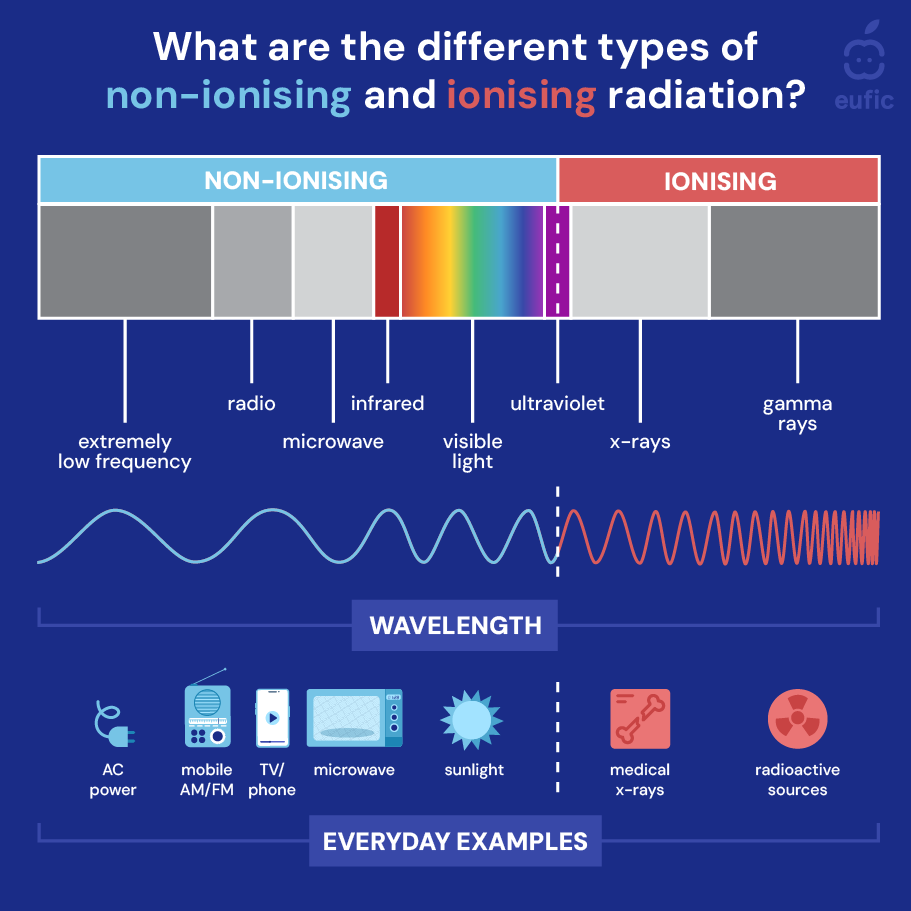
Figure 1. What are the different types of non-ionising and ionising radiation?
Microwave ovens heat food by producing microwave radiations that make water molecules vibrate. These vibrating molecules lose their energy by producing heat, which in turn cooks the food. The microwave radiations produced by the oven don’t remain in food once the oven in turned off.2 Only the food remains heated. It’s the same as when your turn off a lamp, no light remains.
Microwave-safe containers are designed to remain stable under microwave heating.1 They usually feel warm only because they are in contact with hot food, not because they strongly absorb microwave energy.
Another common concern is that microwaving “destroys” nutrients. In reality, microwave cooking often preserves nutrients as well as, or better than, some conventional cooking methods like boiling. Nutrient losses depend mainly on cooking time, temperature, and exposure to water rather than on the type of appliance used. Because microwave heating transfers energy directly into food, cooking times are typically shorter and require little or no added water, which can help limit the loss of heat-sensitive and water-soluble nutrients such as vitamin C and some B vitamins.3
To maximise nutrient retention, use short cooking times, avoid adding excess water when possible, cover food to ensure even heating, and stir or rotate dishes if needed. Following these simple practices allows microwave cooking to efficiently heat food while maintaining as much nutritional quality as possible.
Myth: heating food in the microwave causes cancer.
The myth suggests that microwave ovens expose food and people to dangerous radiations that can increase cancer risk. This idea often comes from confusion between different types of radiations. However, the radiations produced by microwave ovens are non-ionising and fundamentally different from radiations such as X-rays or gamma rays that carry enough energy to damage DNA and increase cancer risk over time and repeated exposure.4 Microwaves don’t fall into this category.
Another concern often associated with microwave ovens relates to the use of unsuitable food packaging, not the microwave radiations themselves. Some people worry that heating food in certain containers may allow chemicals (such as bisphenol A (BPA)) to migrate from packaging into food and increase cancer risk.
When food is heated in unsuitable packaging for microwaves, trace amounts of chemicals (such as plasticisers or stabilisers) can migrate into food and drinks.3 This risk may increase with excessive heating or in “hot spots,” where uneven microwave energy distribution creates localised areas of higher temperature in specific areas of the food or container. Migration levels are also higher when the heated food is fattier or more acidic. Food safety authorities recommend using only microwave-safe containers, such as glass, ceramic, paper/cardboard, or plastics specifically labelled as safe for microwave use.2,5
In the European Union, food contact materials are strictly regulated to ensure consumer safety. Materials intended to come into contact with food must meet safety requirements, including limits on chemical migration, and are assessed (in “worst case scenarios” of heating conditions) to ensure that any substances released remain within safe levels under normal conditions of use.6
More recent works involving nanoparticle analyses shed light on a new, poorly documented issue: micro and nanoplastic migrations from “microwave safe” plastic packaging into food being dramatically increased whenever heated.7 As it turns out, the EU’s 2023/2055 regulation restricts the deliberate use of synthetic polymer particles in a wide range of consumer products, but does not (yet) apply the same precautions to food contact materials.8 Furthermore, although the US FDA states that "current scientific evidence does not demonstrate that levels of microplastics or nanoplastics detected in foods pose a risk to human health", they go on to note that "there are no standardized methods for how to detect, quantify, or characterize microplastics and nanoplastics".9
Either way, following the heating instructions provided on food packaging, including recommended power levels and cooking times, helps minimise unnecessary overheating and further reduces potential migration from packaging materials.10
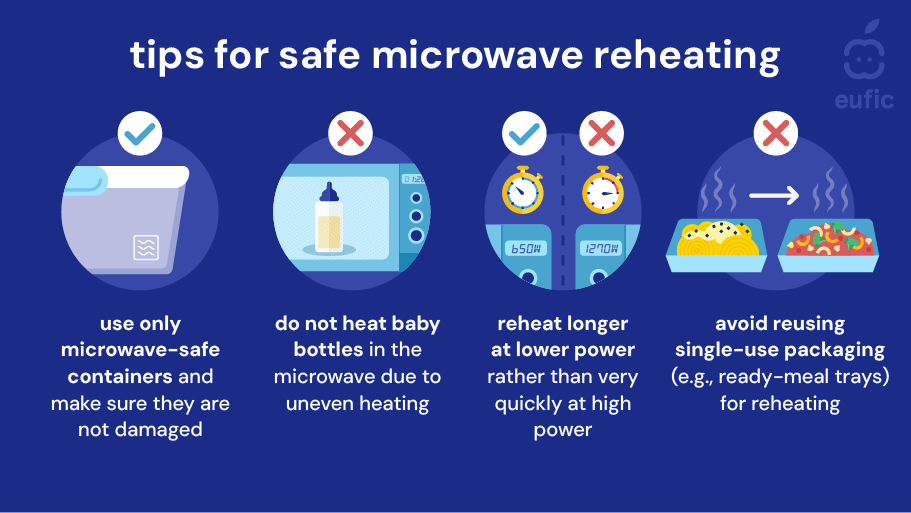
Figure 2. How to heat food safely in the microwave.10
Fallacy: mixing up microwave radiation and packaging safety.
The myth that microwave ovens cause cancer is driven by a false equivalence fallacy. It assumes that all radiations work in the same way and carry the same risks. In reality, non-ionising radiations (like microwaves) cannot damage DNA, while cancer risk is linked to ionising radiations (such as X-rays and gamma rays).
Another source of confusion is the concern about chemicals leaching from food packaging. When this happens, it’s often blamed on the microwave itself, rather than on the use of unsuitable containers. Heating food in plastics can lead to chemical migration, but this risk can be managed by using proper containers and isn’t unique to microwaves.
In short, microwave ovens don’t cause cancer. They produce non-ionising microwave radiation that simply heats food and does not remain in it. When used with microwave-safe containers, they are a safe and practical way to prepare and heat meals.
References
- World Health Organization (2005). Electromagnetic fields and public health: microwave ovens. Accessed 14 December 2025.
- U.S. Food and Drug Administration (2024). Microwave ovens. Accessed 15 December 2025.
- Guzik P, et al. (2022). The confrontation of consumer beliefs about the impact of microwave-processing on food and human health with existing research. Trends in Food Science & Technology 119:110–121.
- World Health Organization website, ‘Ionising radiation and health effects’. Accessed 14 December 2025.
- U.S. Department of Agriculture, Food Safety and Inspection Service website, ‘Cooking with microwave ovens’. Accessed 15 December 2025.
- European Parliament & Council of the European Union. (2004). Regulation (EC) No 1935/2004 on materials and articles intended to come into contact with food (consolidated version). Official Journal of the European Union.
- Greenpeace International. (2025). Are we cooked? The hidden health risks of plastic-packaged ready meals. Accessed 3 March 2026.
- European Commission. (2025). Commission Regulation (EU) 2023/2055 – Restriction of microplastics intentnioally added to products. Accessed 3 March 2026.
- U.S. Food and Drug Administration. (2024). Microplastics and Nanoplastics in Foods. Accessed 3 March 2026.
- ANSES. Microwave ovens and chemicals in food packaging. Accessed 11 February 2026.