How to best store raw and boiled eggs to keep them fresh and prevent spoilage
Last Updated : 18 June 2026Key Takeaways:
- As the temperature in fridge doors tends to fluctuate, it’s best to store eggs in the main body of the fridge instead.
- Keep the eggs in their original carton away from strongly scented foods like onions, garlic or certain cheeses.
- Storing eggs with the pointed end down helps them stay fresh for longer.
- Eggs can still be safe to eat after their best-before date, if there are no signs of spoilage, such as unpleasant smell. Make sure they are fully cooked before eating to reduce the risk of harmful bacteria.
Storing eggs properly is more important than it may seem, as incorrect storage can affect both quality and safety. While you may already be familiar with the basic principles of egg storage, these simple evidence-based tips can help you make the right choice whenever you’re in doubt.
Storing raw eggs
The best way to store raw eggs is to keep them in their original carton and place them in the fridge. Ideally, they should be stored in the main body of the fridge, rather than the fridge doors, where the temperature is not stable. Keeping eggs in their carton helps prevent moisture loss, protects them from absorbing odours, and makes it easy to check the best-before date. Using eggs after the best-before date is usually safe, although their quality might decrease over time. Before using them, check for any unpleasant smell and ensure they’re fully cooked to reduce the risk of harmful bacteria.
As eggshells are naturally porous, they are prone to quickly absorb surrounding odours. Therefore, they should be stored away from strongly scented foods such as onions, garlic or certain cheeses. In general, eggs can last up to 4 weeks in the fridge.1 It’s not recommended to wash the eggs before storage, as washing can damage the protective cuticles, promoting contamination. If you need to clean the eggshell, wash them directly before cooking. Raw leftover egg whites and yolks should be stored in airtight containers and refrigerated immediately and used within 2-4 days.2
Tip: By storing raw eggs with the pointed end down, the air chamber remains undamaged, and they can last for longer.1
Raw eggs can also be frozen after removing them from the shell. Freeze yolks and whites separately or lightly beaten together in airtight containers.
Storing boiled eggs
Hard-boiled eggs that are still in their shell can be kept in the fridge for up to 1 week.3 On the other hand, soft-boiled eggs should be used within 2 days, as their yolks are not fully set, which can increase the risk of bacterial growth. Eggs that are already peeled should be stored in a sealable container in the fridge and used within 1 week. To prevent them from drying out, they can also be kept submerged in cold water.
How do I spot spoilage?
Spoiled eggs have a very strong and unpleasant odour that is easy to recognise. Other signs, such as runny whites and discoloured yolks, are also signalling spoilage. Hard boiled eggs stored in the fridge might release a ‘gassy’ odour, which is usually harmless and tends to disappear within a few hours. If you notice blood spots on an egg yolk, it doesn’t mean that the egg is spoiled. Blood spots often indicate a ruptured blood vessel, which can happen during yolk formation.3 Always check eggs for any cracks before buying them, as damaged shells make it easier for bacteria to grow.
Does a fresh egg float or sink in the water?
You may have heard of the ‘float test’ before as an easy way to check the freshness of the eggs. Eggs have an air chamber at the blunt end of the shell. As an egg ages, the size of the air cell inside increases. Therefore, a fresh egg will sink in water while an older egg will float. Although this technique allows you to check the freshness of the egg, it doesn’t always guarantee safety. Regardless of whether an egg floats or sinks, don’t eat any eggs that smell rotten.
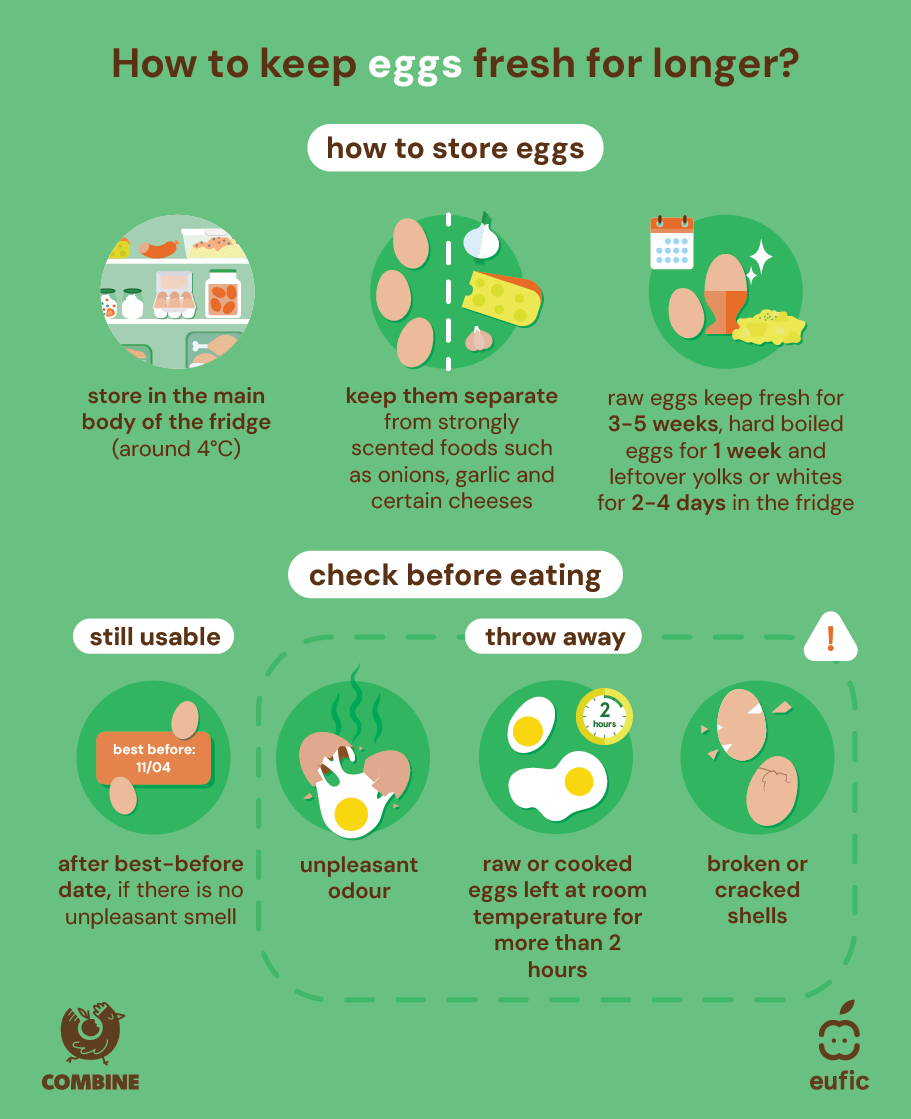
Figure 1. Practical tips for storing eggs and recognising signs of spoilage.
The article was developed in collaboration with the COMBINE project. This project has received funding from the European Union’s Single Market Programme Food Chain under grant agreement N° 101158394.

References
- Voedingscentrum. (2026). Hoelang kun je ei, rauw bewaren? Accessed 28 May 2026
- Egg Farmers of Canada (2026). (2026). Egg Storage, Freshness & Food Safety. Accessed 28 May 2026
- Ghamrawy M (2020). Say NO to food waste! A guide to reduce household food waste. 1st edition. Rome, Italy: Food and Agriculture Organization (FAO)