How to keep potted and fresh herbs fresh for longer at home
Last Updated : 18 June 2026Key Takeaways:
- Potted herbs should be moved into bigger containers with added nutrient-rich soil.
- Leafy fresh herbs, like cilantro, parsley and mint (not basil), should be stored upright in a glass of water, loosely covered with a plastic bag and kept in the fridge.
- Woody herbs, like rosemary, sage and oregano, are best wrapped in a damp kitchen paper and stored in a sealed container at the bottom of the fridge.
- Basil is temperature sensitive and should be stored outside the fridge in a small vase or glass with an inch of water.
- You can freeze herbs to preserve their flavour and texture. To do so, chop them if desired and freeze them in ice cube trays with a small amount of oil.
Herbs, such as basil, thyme, mint, parsley, and cilantro are delicate plants with characteristic aromas that can brighten up the flavour of your meals. However, herbs lose their aroma over time. Suitable storage conditions can help keep them fresh for longer. Here are some practical tips for handling fresh herbs properly.
Store fresh herbs in the fridge
Most cut herbs can be stored unwashed in the fridge to maintain freshness. It’s recommended to trim the stems of leafy herbs such as cilantro, parsley or mint and store them upright in a glass of water with a plastic bag over the top, in the fridge.1 Woody herbs like rosemary, sage or oregano should be wrapped in damp kitchen paper and stored at the bottom of the fridge in a sealed container. Stored this way, they can remain fresh up to 5 days. For long-term storage, herbs can be frozen and kept for up to 12 months.2
Basil, on the other hand, is temperature sensitive and doesn’t tolerate cold well. It should be stored above 10°C away from direct sunlight rather than in the fridge.3 One of the common methods to store basil is to trim the stems and place them in a small vase or glass with an inch of water, ensuring that only the stems (not the leaves) are in the water. Change the water regularly to keep the basil fresh for as long as possible.
Keep potted herbs at room temperature
Potted herbs should be transferred to a larger container with nutrient-rich soil.4 Potted herbs sold in supermarkets are often grown in small, crowded containers designed for short-term sale rather than long-term growth. To help them stay healthy and productive for longer, transfer them to a larger pot with fresh, nutrient-rich soil. Choose a pot with drainage holes to prevent excess water from accumulating around the roots, and place the herbs in a bright, sunny spot at room temperature.5 With enough light, water and space to grow, potted herbs can continue producing fresh leaves for several weeks or even months.
How do I spot spoilage?
Fresh herbs begin to spoil when they become limp, wilted or develop brown, yellow or dark spots. A noticeable loss of aroma and sour smell is another sign that they’re no longer fresh. If they have an unpleasant smell, yellow, brown or dark spots, they’re no longer safe to eat for risk of contamination.6 Herbs sensitive to cold, such as basil, can develop chilling injury, which can cause browning of the leaves and growing tip, along with a loss of the glossy appearance of the leaves. To help herbs stay fresh, keep them away from ethylene-producing fruits and vegetables such as apples, tomatoes, peaches, plums, pears, lettuce, broccoli, and cucumber. It’s also best to store them separately from strongly scented foods such as onions and garlic to prevent transfer of odour.
How can I freeze fresh herbs?
Freezing is an effective way to preserve fresh herbs for longer periods (8-12 months), and there are several simple methods to choose from:
- Freezing chopped herbs: Chop the herbs finely and place them in a sealed freezer bag or airtight container. This way, you can add them directly to dishes without thawing.
- Freezing herbs in oil: Chopped herbs can also be mixed with a small amount of oil and froze in an ice cube tray, as it helps to preserve their flavour, colour and texture.
If your potted herbs produce more leaves than you can use, excess herbs can be frozen to extend their shelf life.
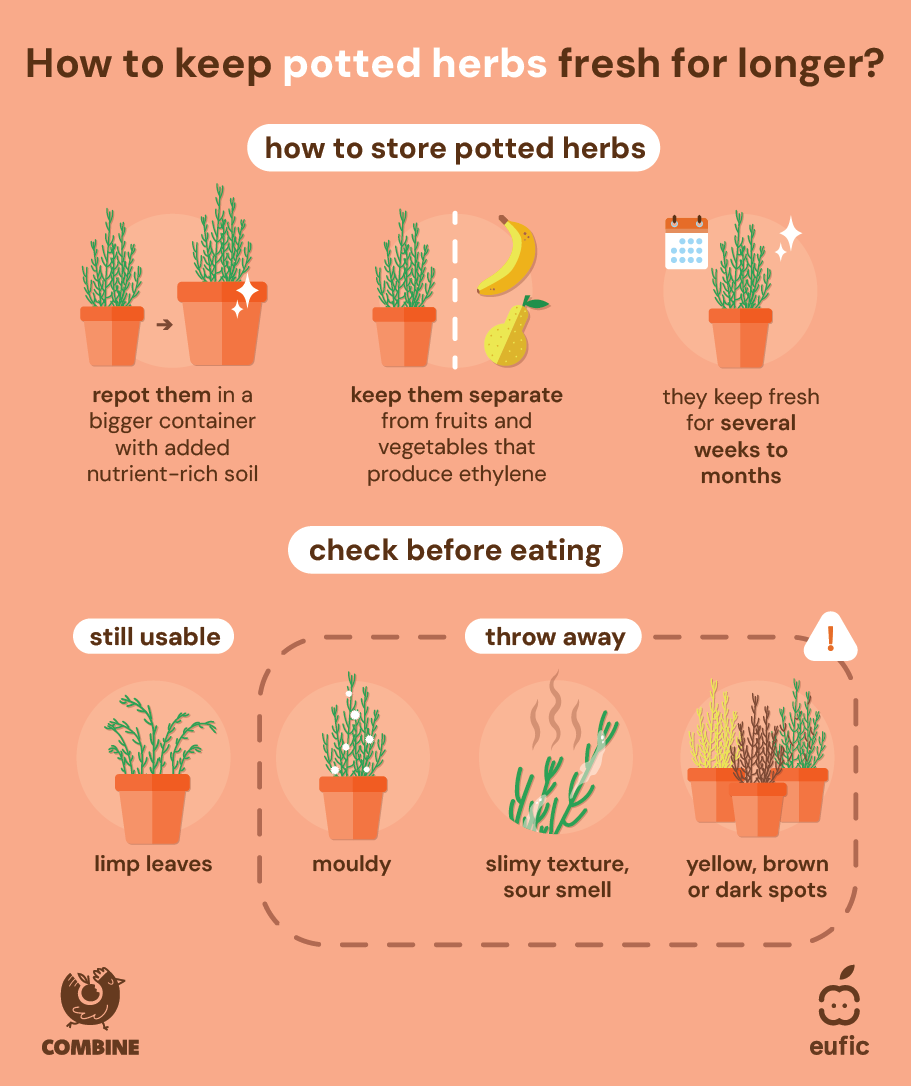
Figure 1. Practical tips for storing potted herbs and recognising signs of spoilage.
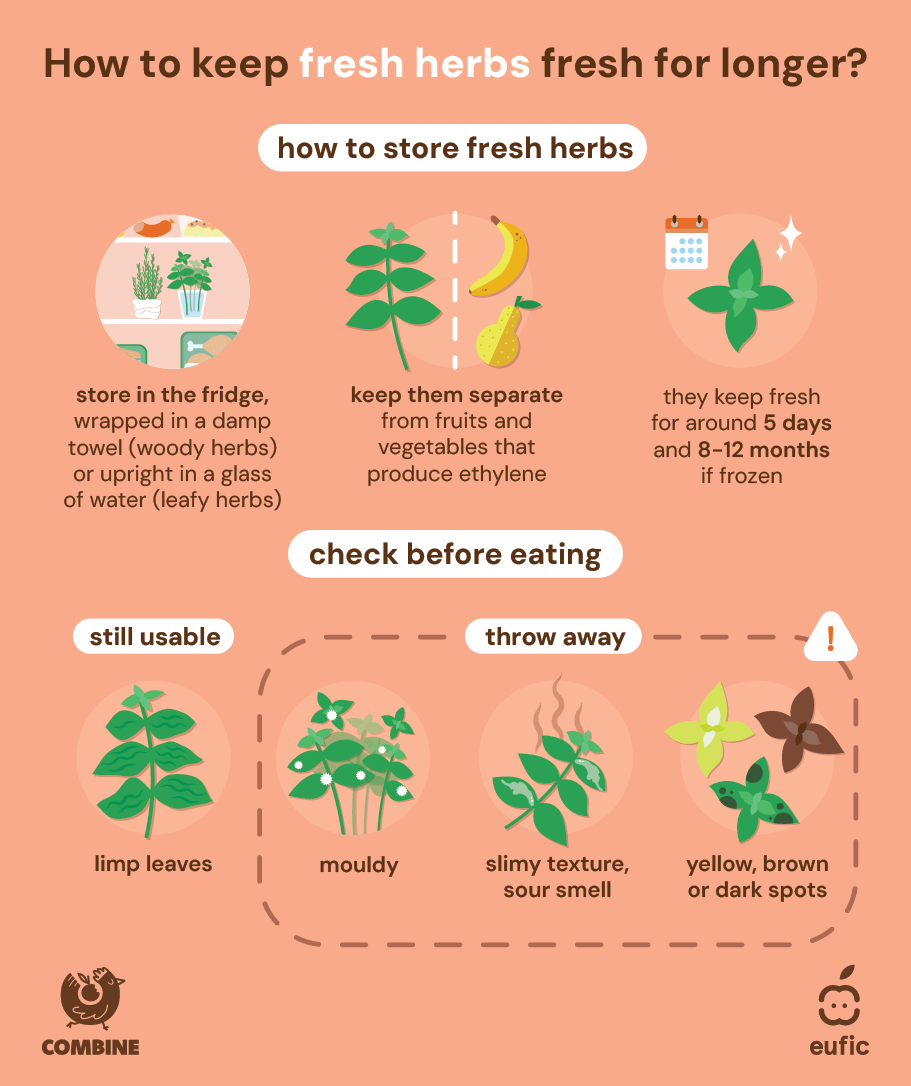
Figure 2. Practical tips for storing fresh herbs and recognising signs of spoilage.
The article was developed in collaboration with the COMBINE project. This project has received funding from the European Union’s Single Market Programme Food Chain under grant agreement N° 101158394.

References
- Ghamrawy M (2020). Say NO to food waste! A guide to reduce household food waste. 1st edition. Rome, Italy: Food and Agriculture Organization (FAO)
- Voedingscentrum. (2026). Hoelang kun je basilicum, vers bewaren? Accessed 28 May 2026
- Postharvest Research and Extension Center. (2001). Herbs (fresh culinary). Accessed 28 May 2026.
- Stop Food Waste. (2026). Herbs. Accessed 28 May 2026
- Royal Horticultural Society (RHS). (2026). Herbs: growing and harvesting. Accessed 28 May 2026
- Health Canada. (2011). Food safety tips for fresh herbs. Accessed 28 May 2026