How to store potatoes to minimise sprouting and extend their shelf life
Last Updated : 22 June 2026Key Takeaways:
- Store potatoes in a cool, dark place such as pantry, cellar or fridge.
- Avoid storing them with onions, garlic and other fruits and vegetables that produce ethylene gas (e.g., apples, bananas, tomatoes, plums, avocados, watermelons, kiwi) as this can affect the flavour of the potatoes and result in early sprouting.
- Potatoes with small green patches, dark spots, or sprouts are often safe to eat if there is no sign of spoilage. Cut around any sprouts, dark spots, small green areas or damaged parts generously before using.
Potatoes are living vegetables, which means they continue to age after harvest. As they age, they naturally begin to sprout, especially when stored under less-than-ideal conditions. While sprouting is a normal part of a potato’s life cycle, proper storage can help slow this process and keep potatoes firm, tasty and in good condition for longer. Here are some evidence-based tips to help keep your potatoes fresh for as long as possible!
Store in a cool, dark place
Potatoes do well when stored in a cool, dark and dry place, such as a pantry or cellar, ideally between 7-12 °C. If you don’t have access to a cool pantry or cellar, potatoes can also be stored in the fridge. When stored properly, they can last up to 1 month.1
Warm temperatures, light and excess moisture can encourage sprouting, moulding and cause potatoes to turn green. Avoid washing potatoes before storage, as excess moisture speeds up spoilage. If the potatoes are dirty, gently brush off excess soil with a dry cloth instead. It’s also better to keep them away from onions and garlic, as their odours can affect the flavour of the potatoes. In addition, avoid storing potatoes near fruits and vegetables that produce ethylene gas, such as apples, bananas, tomatoes, plums, avocados, watermelons, kiwi, etc., as this will result in early sprouting.
Whole raw potatoes don't freeze well because their texture changes. However, cooked potatoes can be frozen for several months in airtight containers.
Formation of acrylamide in potatoes
You may have heard that potatoes shouldn’t be stored in the fridge, especially if you plan to fry, bake or roast them later. This is because cold temperatures can increase the amount of sugars in potatoes. When potatoes are cooked at high temperatures, these sugars can contribute to the formation of acrylamide, a substance that may be harmful to health.
However, recent evidence suggests that storing potatoes in the fridge at home does not significantly increase their acrylamide-forming potential compared with storage in a cool dark place.2 So, refrigeration may be a practical option for keeping potatoes fresh for longer, particularly when a cool storage space is not available.
How do I recognise spoilage?
Signs of spoilage can usually be easily recognised by smell or appearance. Spoiled potatoes are mouldy, rotten or have an unpleasant smell. If the potato has wet rot, it will start to affect the taste, and the potato should also be discarded.
Wrinkled potatoes are not necessarily spoiled. Wrinkles indicate moisture and nutrient loss, but the potatoes may still be safe to eat if there are no other signs of spoilage. Sprouts and green patches are not edible, and they should be removed before eating.1,3 Eating sprouts or green patches of potatoes may result in nausea and an upset stomach.
When potatoes are clearly softened and wrinkled and sprouting is already advanced, it’s best not to eat them.
Should I cut away the green parts and sprouts of the potato?
Yes. Cut away (small) green parts, dark spots, sprouts and damaged areas generously before eating. The remaining part of the potato is often safe to eat.3
Sprouts form naturally as potatoes age, while green patches develop when potatoes are exposed to light. These green areas can contain higher levels of toxins called glycoalkaloids, particularly solanine. Glycoalkaloids are normally present in potatoes at low levels, but concentrations can increase in green, damaged or sprouted areas. Eating high amounts of glycoalkaloids may cause digestive discomfort, although poisoning is very rare. If the sprouts are very small and the potato is otherwise firm and in good condition, it can be peeled and used. This is especially true if the potato is sprouting for the first time. However, potatoes with large sprouts are best not eaten, and they are likely to taste bitter as well.
Potatoes that are also extensively green, rotten or taste bitter should be discarded. If most of the potato has turned green, it should not be eaten, even if the green parts are removed.
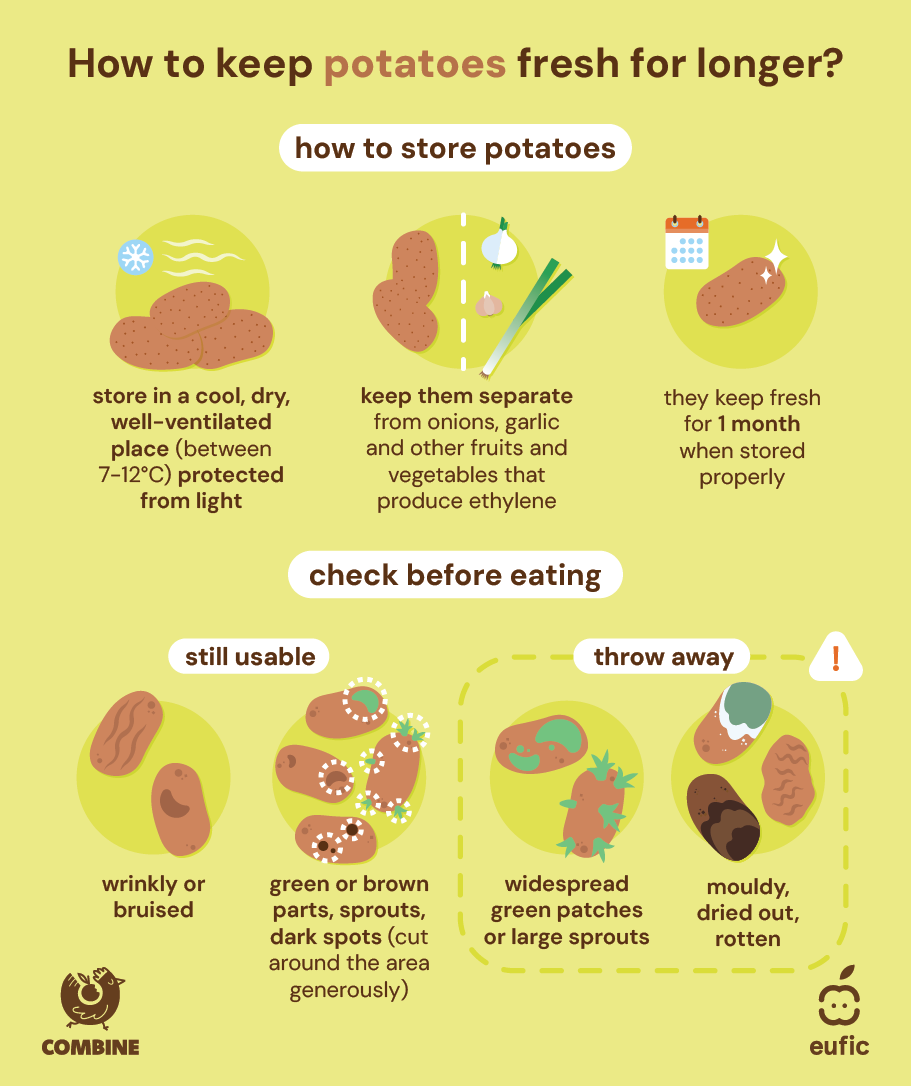
Figure 1. Practical tips for storing potatoes and recognising signs of spoilage.
The article was developed in collaboration with the COMBINE project. This project has received funding from the European Union’s Single Market Programme Food Chain under grant agreement N° 101158394.

References
- Voedingscentrum. (2026). Hoelang kun je aardappelen, rauw bewaren? Accessed 28 May 2026.
- Food Standards Agency website. (2022). Acrylamide. Accessed 28 May 2026.
- Ghamrawy M (2020). Say NO to food waste! A guide to reduce household food waste. 1st edition. Rome, Italy: Food and Agriculture Organization (FAO).