How to best store strawberries and apples so they stay fresh longer
Last Updated : 18 June 2026Key Takeaways:
- Store apples and strawberries in the fridge, ideally in the vegetable drawer.
- Avoid washing strawberries or removing their stalks before storage, as this can make them spoil faster.
- Brown spots or bruises don’t necessarily mean the fruit is spoiled. If there aren’t signs of moulds or other spoilage, the fruit is still safe to eat.
Even though apples and strawberries are very different fruits, their storage needs are surprisingly similar. By following these simple evidence-based tips, you can keep them fresh for longer.
Store in the fridge
Both apples and strawberries last longer when refrigerated. Most apple varieties (except for Honeycrisp, which is sensitive to low temperatures) can be stored in the fridge for a few weeks instead of 3-7 days at room temperature.1 Apples prefer cool, humid environments. Therefore, it’s recommended to keep them in the vegetable drawer, away from other fruit or vegetables like bananas, nectarines, peaches, plums, watermelons, tomatoes, avocados, carrots, lettuce, potatoes and citrus fruits, as they can speed up their ripening.2 For long-term storage, apples can be frozen after slicing them into segments and removing the core.
Tip: Squeeze a small amount of lemon juice over cut apples to prevent browning. The browning is a natural oxidation process that happens when the cut apples come in contact with oxygen. Lemon juice has a low pH and acts as a natural antioxidant.
Strawberries will last up to 3-5 days in the fridge compared with only 1 day at room temperature.3,4 Store them in a sealed container in the vegetable drawer. Similarly to apples, avoid storing them with fruits and vegetables that produce ethylene, as this will cause them to spoil faster. Even if you prefer having your strawberries ready to eat, avoid washing them before storage, as moisture will speed up spoilage. It’s also better to keep the stalks on until you are ready to eat them, as it prevents early spoilage. For long-term storage, strawberries can also be frozen whole or sliced. Frozen strawberries are best used in smoothies, baking or sauces because their texture softens after thawing.
Tip: Line the container with a paper towel to absorb excess moisture and prevent mould growth
How do I spot spoilage?
Spoiled apples and strawberries are usually easy to recognise. Apples may develop brown spots (bruises), mould and a soft skin, while strawberries often become limp or mouldy. The saying “one bad apple spoils the bunch” contains some truth and also applies to strawberries. Always remove damaged or spoiled apples or strawberries, as they can speed up the ripening and spoilage of other fruit.
Can I cut out the brown spots (bruises) and still eat the fruit?
Yes, if the fruit is not mouldy or spoiled. Always check if a bruise is large, deep, old or extends toward the core, as the fruit may be deteriorated internally and shouldn’t be eaten.2 Small holes or tunnels caused by insects don’t necessarily mean the whole apple is unsafe to eat. If the affected area is limited and there aren’t signs of mould or spoilage, you can cut away the damaged part generously and eat the rest of the apple. However, apples with extensive insect damage, signs of rot or mould should be discarded.
To reduce bruising, avoid stacking apples and strawberries on top of one another. Excess weight can damage the fruit at the bottom, causing it to spoil faster and potentially affect the rest.
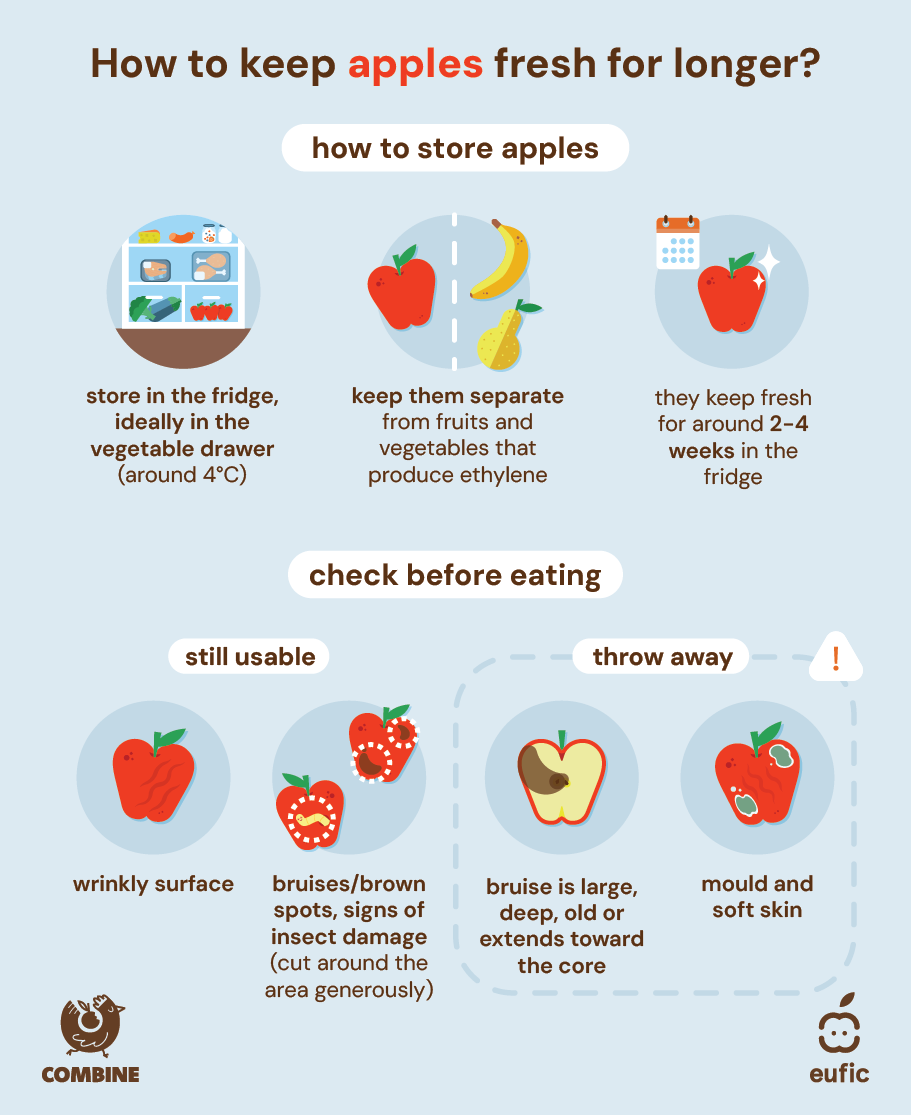
Figure 1. Practical tips for storing apples and recognising signs of spoilage.
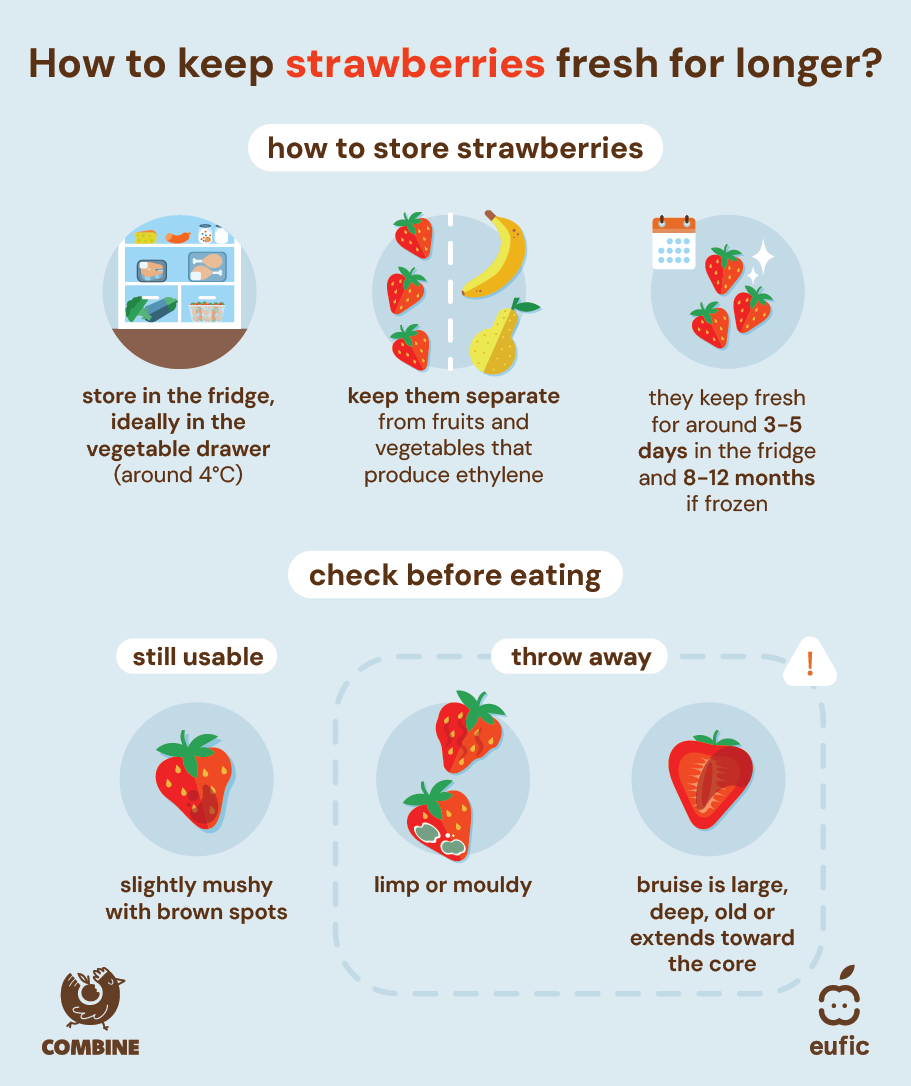
Figure 2. Practical tips for storing strawberries and recognising signs of spoilage.
The article was developed in collaboration with the COMBINE project. This project has received funding from the European Union’s Single Market Programme Food Chain under grant agreement N° 101158394.

References
- Voedingscentrum. (2026). Hoelang kun je appel met schil bewaren? Accessed 28 May 2026
- Ghamrawy M (2020). Say NO to food waste! A guide to reduce household food waste. 1st edition. Rome, Italy: Food and Agriculture Organization (FAO)
- Voedingscentrum. (2026). Hoelang kun je aardbeien bewaren? Accessed 28 May 2026
- Ikegaya A, et al. (2020). Practical long‐term storage of strawberries in refrigerated containers at ice temperature. Food Science & Nutrition 8(9):5138-5148