What is dietary fibre and is it beneficial?
Last Updated : 09 November 2026
Key Takeaways:
- Dietary fibre is a group of carbohydrates that our digestive enzymes cannot fully break down in the small intestine.
- Eating plenty of fibre-rich foods is linked to a lower risk of cardiovascular disease, type 2 diabetes and colorectal cancer, and supports healthy bowel function. Fibre is also beneficial in weight management as fibre-rich diets make us feel fuller for longer periods after a meal.
- Different types of fibre have different effects in the body, including adding bulk to stools, forming gels in the gut and being fermented by gut bacteria.
- Adults should aim for at least 25 g of fibre per day according to the European Food Safety Authority (EFSA).
- Choose a variety of fibre-rich foods, including whole grains, vegetables, fruits, pulses, nuts and seeds, to help meet your daily fibre needs.
Dietary fibre is a group of compounds found in plants that cannot be fully digested in our gut. Fibre-rich foods such as fruits, vegetables and whole grains have been consistently shown to benefit our health and reduce our risk of disease. While the exact mechanism for these benefits is not fully understood, it is thought, at least in part, to be due to their fibre content. Here we discuss the definition of dietary fibre and the range of health benefits associated with its intake.
What is dietary fibre?
Dietary fibre is not one specific compound, but a complex group of many compounds found in plant-based foods such as fruits, vegetables, whole grains, and nuts and seeds. Put simply, fibre can be defined as carbohydrates that cannot be fully digested in our gut.1
There are generally four different groups of dietary fibres found in foods:
- Non-starch long carbohydrates are structural parts of most fruits, vegetables, whole grains, pulses, beans, and nuts. They can be found in the form of for example, cellulose, pectins and glucans. These make up the largest group of fibres and are found in a variety of concentrations.
- Resistant mid-long carbohydrates such as fructo-oligosaccharides (FOS) andgalacto-oligosaccharides (GOS). These are carbohydrates made up of less than 10 smaller sugar units. GOS is often found in seaweeds, and FOS is found in vegetables such as chicory, onions, and asparagus.
- Resistant starch is a form of starch that cannot be digested in the small intestine. It is found in foods such as bananas, potatoes, grains, pulses and seeds.
- Lignin is an exception to the simple definition of fibre as it is technically not a carbohydrate but is considered a fibre. Lignin is found in root vegetables such as carrots and turnips as well as nuts and seeds.
What are the health benefits of dietary fibre?
As mentioned above, fruits, vegetables, beans, pulses and nuts are rich in dietary fibre. These foods are recommended by almost all dietary guidelines from around the world.1
To understand why fibre is good for us, we need to know what happens during digestion. Our own digestiveenzymes cannot cut the long fibre carbohydrate chains neither in the stomach, nor in the small intestine. So, the undigested fibre, mixed with pancreatic juices, travels to the colon as viscous bulk.
In the colon, fibre gets fermented by gut microbiota, which is the term given to the entire collection of microbes living in our intestine, producing short-chain fatty acids (SCFA) from the fermentation of dietary fibres. The most common SCFAs are acetate, propionate and butyrate. They protect our health by improving insulin sensitivity and ensuring lower levels of glucose and lipids in our bloodstream. Over the long term this might improve energy balance, which indirectly protects against cardiovascular diseases, obesity andtype 2 diabetes.2, 3, 4
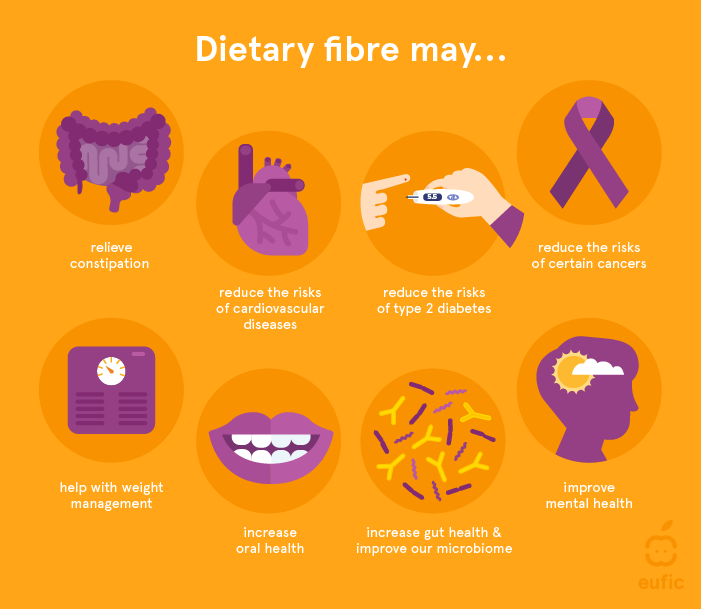
Figure 1. What are the health effects of eating fibre?
Constipation
Constipation can negatively impact someone’s quality of life and increases the risk of colon cancer. Some fibres can absorb water in our colon, which helps give our stool bulk. This increased bulk allows our stool to move through our colon quicker, helping to relieve constipation.5
Cardiovascular diseases
A high fibre diet has been associated with a reduced risk of cardiovascular disease (CVD) and coronary heart disease; the benefit depends on the type of fibre. This is because viscous fibre forms a gel in the small intestine, which makes us feel full for longer. Moreover, short-chain fatty acids produced by gut microbiota are involved in the metabolism of carbohydrates and fats and therefore reduce spikes in blood glucose and lipids, such as cholesterol after meals. They are used as an energy source by the cells in our colon and have a protective effect on our cardiovascular system.6, 7, 8
Type 2 diabetes
High fibre diets are associated with a reduced risk of type 2 diabetes.6
In the small intestine, certain types of soluble fibre form a viscous gel that easily dissolves in water. This slows down the glucose and lipid absorption into the blood, resulting in more stable blood glucose levels.9
Cancer
The fibre bulk travelling through the colon is thought to reduce the risk of pancreatic cancer10 and colorectal cancer11,12 by trapping bile acids and carcinogenic substances. Fibre also makes stools softer and easier to pass, so harmful substances spend less time in the bowel. At the same time, fibre feeds beneficial gut bacteria, which support bowel health and outcompete the harmful ones.13
Fibre protects against cancer indirectly through its effect on body weight as well. Having too much body fat can cause inflammation and raise the levels of certain hormones in the body, which can both encourage cancer cells to develop. Eating plenty of high-fibre foods protects against weight gain, overweight and obesity, in turn, lower the risk of at least 13 cancer types linked to excessive weight.14
Weight management
Fibre-rich diets make us feel fuller for longer periods after a meal. This means we consume less food, which could lead to a reduction in overweight and obesity. Fibre fermentation and its short-chain fatty acid production yield less energy than carbohydrates such as sugars and starch which may improve our body’s energy balance.6, 8, 15
Oral health
Dietary fibre is also good for our oral health. In the mouth, fibre-rich foods need longer chewing, which stimulates the production of saliva and cleanses our teeth. Not surprisingly, preventive effects on dental caries and dental erosion have been observed.16
Gut health and the microbiome
Recent research on the gut microbiome indicates that fibre consumption directly influences the composition of bacteria and other microbes in our intestine. Gut microbiota ferments fibre and produce short-chain fatty acids, which can improve the functioning of our immune system, increase anti-inflammatory interactions in the gut, and regulate the overall body energy balance.15
Mental health
The gut-brain axis, an interaction between the intestines and the brain, has recently received a lot of attention. The gut-brain interactions may affect emotional and cognitive processes, for instance through the short-chain fatty acids that play a role in mental health (for instance, in anxiety and depression). It is generally well established that the gut-brain interaction may also play a role in controlling satiety, mood, and weight.4, 6, 15, 17
Research on fibre and mental health is still limited.18 Observational studies have found that people with higher fibre intakes tend to have better depression and anxiety outcomes. However, these studies cannot show that eating more fibre is the cause. Randomised controlled trials have so far only tested fibre supplements and found no clear effect on depression or anxiety compared with a placebo. More research, particularly trials testing fibre-rich diets and involving people with depression or anxiety, is needed before we can draw firm conclusions.
Reminder: Eat more fibre
Dietary fibre is undeniably part of a healthy lifestyle. A somewhat unified dietary fibre definition has been created, health benefits are detected, and more detailed research on the full impact of fibre on our body is happening. Fibre-rich diets have a variety of health benefits, from preventing CVDs, type 2 diabetes, to improved gut health. Milder potential benefits have been associated with obesity and mental health. Without fibre, our body would be more prone to health risks.
The European Food Safety Authority (EFSA) has set a recommended daily intake on dietary fibre. Based on the available evidence on bowel function and for the prevention of non-communicable diseases such as type 2 diabetes, colorectal cancer, cardiovascular diseases or of overweight and obesity, they recommend a daily intake of at least 25 g of dietary fibre for adults. In children from the age of one year, the recommended amount varies according to the energy requirements of different age groups (about 2 g of dietary fibre per 240 kcal).19
5 Tips to increase your fibre intake
Fibre has more than one health benefit, it impacts the whole body and mind. So, why not opt for a fibre-rich option every day? It’s not complicated:
- choose whole grain over refined grain products
- add vegetables to every meal
- go for beans and pulses as meat alternatives
- opt for fruit snacks
- snack on nuts and seeds in between meals
Before you know it, these small choices can become habits. Give it a try! Let a diet full of fibre pave the way to a healthier life.
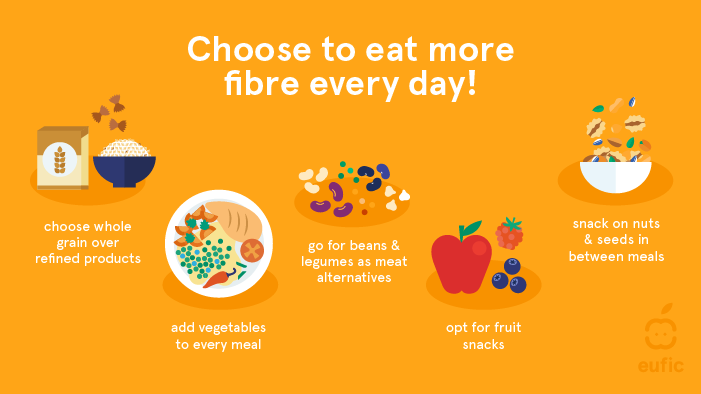
Figure 2. Tips to increase your fibre intake.
References
- Stephen, AM, et al. (2017). Dietary fibre in Europe: current state of knowledge on definitions, sources, recommendations, intakes and relationships to health. Nutrition research reviews, 30(2), 149-190.
- Capuano E (2017). The behavior of dietary fiber in the gastrointestinal tract determines its physiological effect. Critical Reviews in Food Science and Nutrition 57:16, 3543-64
- European Commission website. Food-Based Dietary Guidelines in Europe. Accessed 14 September 2026
- Dalile B, et al. (2019). The role of short-chain fatty acids in microbiota–gut–brain communication. Nature Reviews Gastroenterology and Hepatology 16, 461-78
- Yang J, et al. (2012). Effect of dietary fibre on constipation: a meta-analysis. World journal of gastroenterology 18 (48):7378–83
- Sanz Y, et al. (2018). Towards microbiome-informed dietary recommendations for promoting metabolic and mental health: Opinion papers of the MyNewGut project. Clinical Nutrition 37: 21
- Threapleton D, et al. (2013). Dietary fibre intake and risk of cardiovascular disease: systematic review and meta-analysis. BMJ 347: f6879
- Chambers E, et al (2018). Role of Gut Microbiota-Generated Short-Chain Fatty Acids in Metabolic and Cardiovascular Health. Curr Nutr Rep 7(4): 198-206
- Weickert M, Pfeiffer A (2008). Metabolic Effects of Dietary Fiber Consumption and Prevention of Diabetes. The Journal of Nutrition 138(3): 439-42.
- Veronese N, et al. (2018) Dietary fibre and health outcomes: an umbrella review of systematic reviews and meta-analyses. Am J Clin Nutr 107:436-44
- World cancer research fund website. Recommendations and public health and policy implications. Accessed 14 September 2026
- Buyken, A. E., et al. (2018). Dietary carbohydrates: a review of international recommendations and the methods used to derive them. European journal of clinical nutrition, 72(12), 1625–1643.
- World Cancer Research Fund, Fibre, wholegrains and cancer. Accessed 14 September 2026
- World Cancer Research Fund, Weight and Cancer. Accessed 14 September 2026
- Shortt C,et al. (2018) Systematic review of the effects of the intestinal microbiota on selected nutrients and non-nutrients. Eur J Nutr 57 (1):49-52
- Coogan MM, et al. (2008) Microbiological impressions of teeth, saliva and dietary fibre can predict caries activity Journal of Dentistry 36 (11):892-899
- Codagnone MG et al. (2019). Programming Bugs: Microbiota and the Developmental Origins of Brain Health and Disease. Biological psychiatry 85 (2):150–163
- Aslam, H, et al. (2024). Fiber intake and fiber intervention in depression and anxiety: a systematic review and meta-analysis of observational studies and randomized controlled trials. Nutrition reviews, 82(12), 1678-1695.
- Agostoni, C. V., et al. (2010). Scientific opinion on dietary reference values for carbohydrates and dietary fibre. EFSA journal, 8(3).