How to store bananas properly so they ripen more slowly and last longer
Last Updated : 18 June 2026Key Takeaways:
- Bananas naturally produce ethylene, a natural ripening gas, which can influence the ripening process of bananas themselves or other fruits and vegetables as well.
- When you want to speed up the ripening process of bananas, store them at room temperature (in a fruit basket).
- The ripening process can be slowed down if stored in a fridge. Although the peel might turn brown, the texture inside stays at the same stage of ripeness it had before chilling.
- If there is no sign of mould, overripe bananas are great for cooking, baking or blended into smoothies.
Bananas are tropical fruits that continue to ripen after harvest, which makes them sensitive to storage conditions. The ripening process is caused by ethylene, a natural ripening gas, which is also produced by bananas themselves. With this in mind, you can manage the ripening process of bananas directly in your kitchen. Below, we provide some practical tips on how to store bananas correctly to keep them fresh for longer.
Store at room temperature
Generally, bananas don’t tolerate cold temperatures well. Ideally, they should be stored outside the fridge at a room temperature (around 20°C), preferably on the kitchen counter.1 At this temperature, they can last up to 3-7 days.2 Proper storage conditions help prevent bananas from spoiling and preserve their quality for longer.
When you want to speed up ripening
Store bananas at room temperature to encourage faster ripening. If your bananas are still green, leave them in a fruit bowl to ripen naturally. If you want to speed up the process, place them next to other bananas, apples, pears, kiwis, avocados, melons, or passion fruit. These fruits release relatively high amounts of ethylene, a natural plant hormone that promotes ripening.
However, ethylene also affects nearby produce. Many fruits and vegetables are sensitive to ethylene and may ripen, soften or spoil more quickly when stored next to bananas. To help keep them fresh for longer, avoid storing bananas together with produce such as nectarines, peaches, plums, tomatoes, avocados, cabbage, carrots, cucumbers and potatoes, which are all sensitive to ethylene.1
When you want to slow down ripening
If your bananas are already ripe and you want to extend their shelf life for a few more days, store them in the fridge. This will slow down the ripening process and keep their texture and taste. Although the peel may turn brown, the inside stays at the same stage of ripeness it had before chilling.
If you won’t eat the bananas within a few days, freezing can help prevent food waste and keep them usable for several months. For freezing, peel the bananas first, cut them into smaller pieces if needed, and store them in an airtight container or freezer bag for added convenience. Frozen bananas can be stored around 8-12 months for best quality.2
How to handle overripe bananas?
Overripe bananas can be used in many ways to reduce food waste. As they are naturally sweeter, they are great for cooking, baking and smoothies, where they can act as a natural sweetener. They can also be turned into delicious banana ice cream or banana chips. Don’t forget the peels either – they make excellent compost and can be great food for worms.
How do I spot spoilage?
Spoiled bananas are often black with a mushy texture, while a greyish colour indicates frost damage. For the best quality, select bananas that are evenly coloured with slightly green tips and free of bruises and soft brown spots.
Tip: Hang up bananas to prevent bruising and spoilage.
Should I wrap the top of a bunch of bananas to keep them fresh longer?
Yes, wrapping the top of a bunch of bananas with (reusable) cling film can help keep bananas fresh for longer.2 The wrap limits the release of ethylene gas from the stem, helping bananas ripen more slowly and evenly.
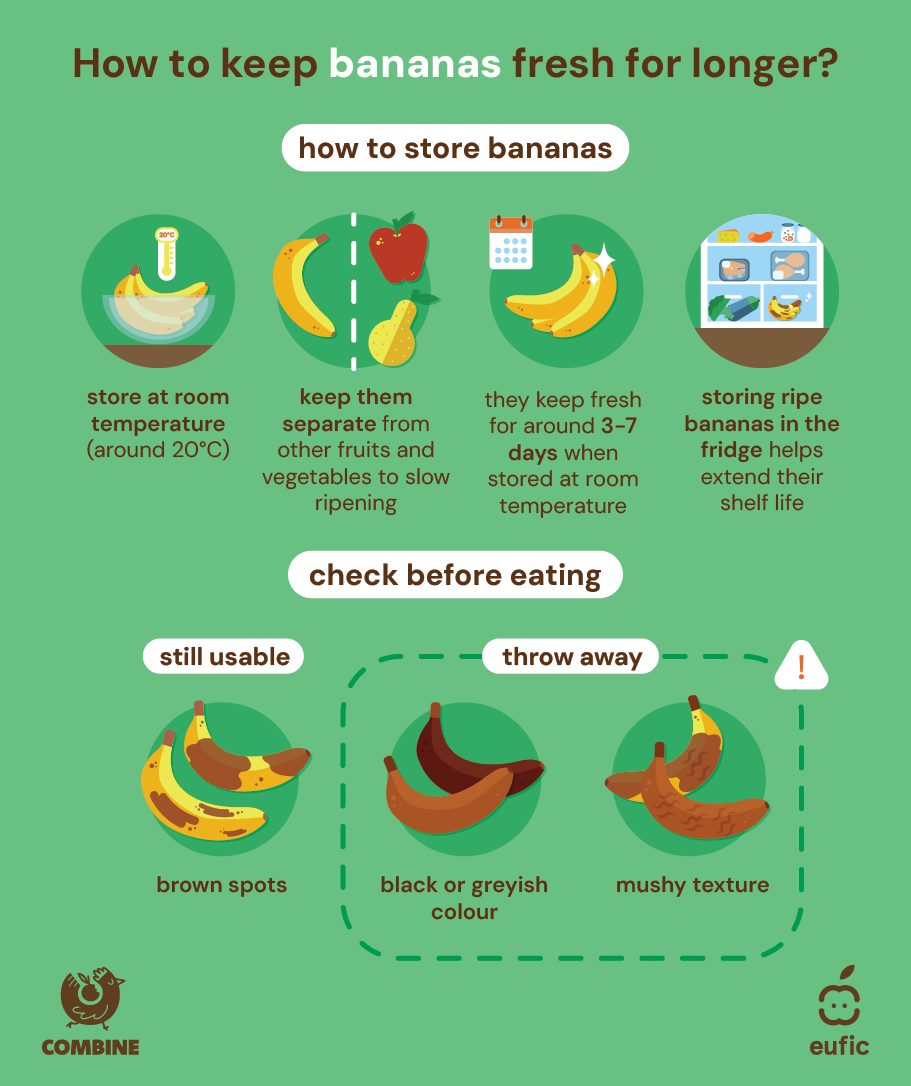
Figure 1. Practical tips for storing bananas and recognising signs of spoilage.
The article was developed in collaboration with the COMBINE project. This project has received funding from the European Union’s Single Market Programme Food Chain under grant agreement N° 101158394.