How to store onions and garlic to keep them fresh longer and minimise sprouting
Last Updated : 18 June 2026Key Takeaways:
- Onions and garlic are sensitive to temperature fluctuations and humidity, therefore storing them in a cool, dry and well-ventilated area helps them to stay fresh for longer.
- Use baskets, mesh bags or vegetable nets to prevent sprouting and moulding of onions and garlic.
- As they easily absorb and transfer other flavours, store onion and garlic separately, away from other fruits, vegetables and eggs.
- If there are no signs of mould, sprouted onions and garlic are still safe to eat, once the sprouts are removed.
Onions and garlic are highly sensitive to humidity and temperature fluctuations. They can spoil much faster if stored incorrectly. Here are some evidence-based tips to help keep them fresh as long as possible.
Store in a cool, dry, well-ventilated place
Onions and garlic easily absorb moisture; therefore, they should be stored in a cool, dry and well-ventilated area such as pantry or cellar, away from direct sunlight. The ideal storage temperature is between 7-12°C for onions and around 16°C for garlic, however they will do well if stored together around 10-15°C.1,2
For long-term storage, storing them in the fridge is generally not recommended, as excess moisture can cause mould and sprouting.
The choice of storage container also matters. Avoid using plastic bags, as limited airflow can reduce shelf life. Instead, use baskets, mesh bags, vegetable nets, or open paper bags. As onions and garlic can easily absorb other flavours and transfer odours, it’s better to store them separately, away from other fruits and vegetables. The moisture released by potatoes, for example, promotes spoilage and can cause onions, garlic and potatoes all to rot quicker.
When stored under adequate conditions, onions can last up to 1-2 months and garlic up to 3-5 months. Warmer temperatures (20-30°C) reduce their shelf life as it encourages sprouting and moulding.
Tip: Preserve the natural protective skin. The outer skin acts as a natural barrier against moisture loss and microbial invasion. Only peel or break the head of garlic into cloves right before cooking.
How do I spot spoilage or sprouting?
Signs of spoilage are usually easy to detect. Onions become mushy or develop soft patches, dark spots, slimy texture or an unpleasant smell. A small amount of sprouting or loose outer layers is normal. If there aren’t signs of mould, they’re still safe to eat. In this case check that the inner layers are still firm and remove the sprouts. Spoiled garlic often feels spongy, soft or shrivelled due to the water loss. If the garlic has sprouted, the clove can be cut in half and the centre green sprout removed and discarded. Variations in the papery skin, ranging from purple to reddish, are natural and not signs of spoilage.
Can onions and garlic be refrigerated or frozen?
Yes, under certain conditions! Sliced or chopped onions should be stored in sealed plastic bags or containers in the fridge and used within 1 week.3 For longer storage, they can be frozen. Frozen onions keep well for up to 1 year, although their texture softens over time. For this reason, frozen onions are best used in cooked dishes rather than for direct consumption. Garlic can last up to 3 months in the freezer when stored in an airtight container or freezer bags. It may be frozen as whole, individual cloves, chopped or grated.4
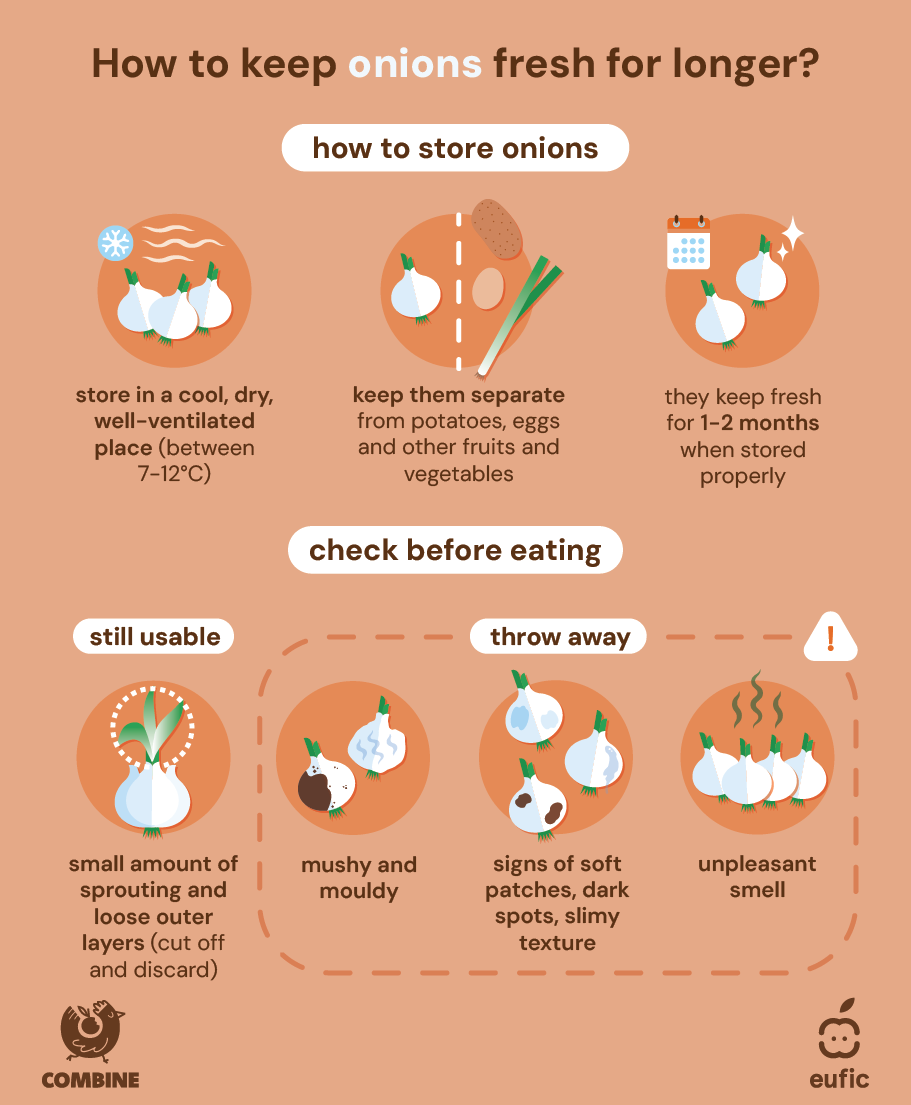
Figure 1. Practical tips for storing onions and recognising signs of spoilage.
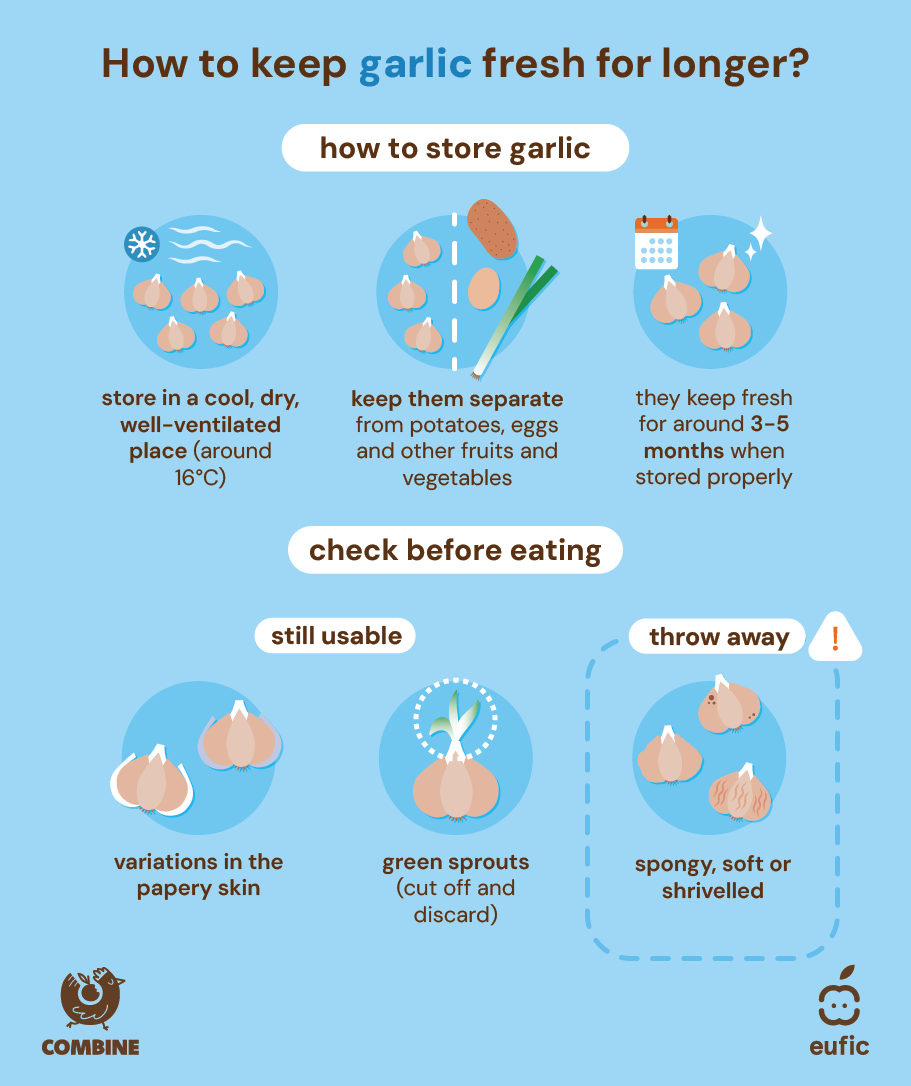
Figure 2. Practical tips for storing garlic and recognising signs of spoilage.
The article was developed in collaboration with the COMBINE project. This project has received funding from the European Union’s Single Market Programme Food Chain under grant agreement N° 101158394.

References
- Harris LJ. (2016). Garlic: Safe Methods to Store, Preserve, and Enjoy. University of California, Agriculture and Natural Resources.
- National Onion Association. (2026). Storage and handling. Accessed 28 May 2026
- Voedingscentrum. (2026). Hoelang kun je ui, rauw bewaren? Accessed 28 May 2026
- Voedingscentrum. (2026). Hoelang kun je knoflook bewaren? Accessed 28 May 2026