Search results for functional foods.

Shaping the gut microbiome through personalised nutrition
Found in Healthy living 01 June 2023This article explains how personalised nutrition and functional foods are being studied as tools to positively influence our gut microbiome, as well as their limitations and challenges.

Minerals
Found in Category landing pages 11 January 2021Minerals are inorganic compounds that our bodies need to keep healthy and function well. Explore below all 14 essential minerals and discover for each one how much you need, what happens if you don’t get enough or in which foods they are most abundant!

Vitamins
Found in Category landing pages 11 January 2021Vitamins are organic compounds, which our bodies need to keep healthy and function well. Explore below all 14 essential vitamins and discover for each one how much you need, what happens if you don’t get enough or in which foods they are most abundant!
Vitamin B6: foods, functions, how much do you need & more
Found in Vitamins & Minerals 11 January 2021This B-vitamin is involved in more than 100 chemical reactions in our bodies and it’s particularly important for the healthy development of our brain during our early years.
Riboflavin (vitamin B2): foods, functions, how much do you need & more
Found in Vitamins & Minerals 11 January 2021What is a fluorescent, water-soluble and neon yellow vitamin? – Riboflavin! If you read this very energetically, you already know that riboflavin is responsible for energy production!

Are food products with more than five ingredients unhealthy?
Found in Misinformation 23 January 2025Are food products with more than five ingredients unhealthy?

Copper: foods, functions, how much do you need & more
Found in Vitamins & Minerals 11 January 2021Copper is often found in electrical wires, but also our bodies need this element to function properly!

Selenium: foods, functions, how much do you need & more
Found in Vitamins & Minerals 11 January 2021Selenium may be less known, but truth is that without this mineral, many essential bodily functions would be compromised.
Developing healthy, affordable foods for those on a low income (CHANCE)
Found in Research 16 October 2012Improving the health of low income populations through low cost, healthy and commonly consumed food was a main outcome from CHANCE, a three-and-a-half year EU-funded research initiative.

Are health and nutrition claims influencing organic consumers?
Found in Healthy living 07 September 2013In recent years, both functional food and organic food products have become increasingly popular, not least due to the health benefits, or perceived health benefits, associated with them. Studies, however, have also shown that food…
Thiamin (vitamin B1): foods, functions, how much do you need & more
Found in Vitamins & Minerals 11 January 2021Thiamin is a member of the B-vitamins family which helps the proper functioning of the nervous system. If you don’t get enough of this vitamin, it might actually get on your nerves!
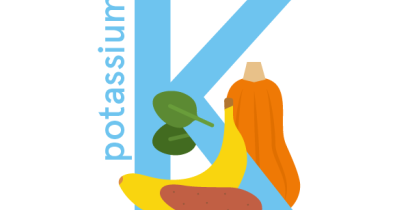
Potassium: foods, functions, how much do you need & more
Found in Vitamins & Minerals 11 January 2021You may have heard that bananas are rich in potassium, but it is present in a lot of foods and needed for several processes in the body.
Folate: foods, functions, how much do you need & more
Found in Vitamins & Minerals 11 January 2021Folate and pregnancy go hand in hand. This vitamin – also referred to as folic acid – is a key player in the healthy development of the baby.
Addictive behaviours
Found in Category landing pages 23 January 2017Food intake is essential for survival and normal function of the body. Food also provides pleasant sensations that provide a natural reward. The concept of ‘food addiction’ has gained a lot of interest, not only by the media, but also within the scientific community. Can someone really be addicted to…

EUFIC’s Communication Lab #1 on Emulsifiers: combining consumer perceptions, scientific consensus, industrial challenges and safety expertise
Found in Newsroom 09 February 2026EUFIC’s Communication Lab #1 on Emulsifiers: combining consumer perceptions, scientific consensus, industrial challenges and safety expertise
Food additives
Found in Category landing pages 23 January 2017Food additives don’t have nutritional value, but they are added to food in small amounts to serve a specific function. Some, like preservatives, stop bacteria or mould from spoiling your food, so that it lasts longer. Colourings are used to make our food looks more appealing. Emulsifiers allow water and…
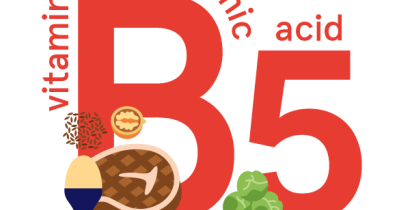
Pantothenic acid (vitamin B5): foods, functions, how much do you need & more
Found in Vitamins & Minerals 11 January 2021Pantothenic acid may be a lesser-known B-vitamin; nevertheless, this water-soluble vitamin is needed to keep us healthy and thriving.
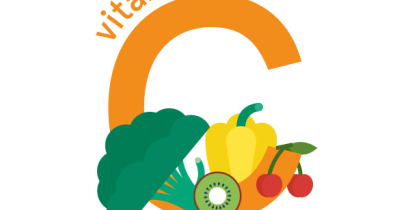
Vitamin C: foods, functions, how much do you need & more
Found in Vitamins & Minerals 11 January 2021Vitamin C is one of the most popular vitamins, particularly during the flu season. While this vitamin won’t necessarily cure your colds, it’s an important one to keep the healthy function of your immune system!
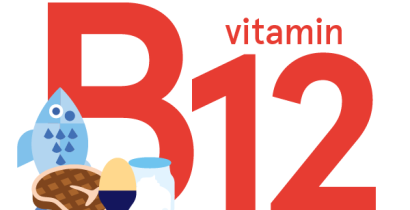
Vitamin B12: foods, functions, how much do you need & more
Found in Vitamins & Minerals 11 January 2021Have you recently looked into reducing your intake of animal products? If so, you might want to pay attention to vitamin B12!

Vitamin E: foods, functions, how much do you need & more
Found in Vitamins & Minerals 11 January 2021Vitamin E is a common ingredient in skincare products, used for its anti-aging and cell-protecting properties. However, this vitamin does not only protect the cells of our skin but all the cells in the body against damage caused by free radicals.

How Does Freezing Preserve Food and Maintain Quality?
Found in Food safety 01 March 2002…and gourmet ice cream - the variety of frozen foods in supermarkets has grown markedly since the introduction of frozen food in the 1930's. In this article Food Today looks at the process of freezing and its role in helping to preserve foods and provide convenience and variety.

Facts about Fats
Found in Whats in food 22 September 2015Fats are important for good health and proper functioning of the body. They are a source of energy, essential fats and enhance the absorption of fat soluble vitamins. However, too much fat and/or the wrong type of fat may negatively affect our health.
What is the role of health-related claims and symbols in consumer behaviour?
Found in Research 09 December 2013Health claims and health symbols on food labels are intended aids for consumers to identify foods that are healthier options, but little is known about their actual impact on consumer understanding, purchase and consumption. CLYMBOL…

Molybdenum: foods, functions, how much do you need & more
Found in Vitamins & Minerals 11 January 2021Molybdenum can be quite the tongue twister! Its name comes from the Greek word for lead – molybdos – because when molybdenum was found back in 1781, it was originally confused with lead.
Bioactive compounds
Found in Category landing pages 23 January 2017…in small quantities in food and can be beneficial for health. Unlike essential macro- and micronutrients (such as fats, carbohydrates, protein, vitamins and minerals) they are not essential for life and the body can function properly without them. Some examples of bioactive compounds commonly found in our diets are caffeine,…

What Are Proteins and What Is Their Function in the Body?
Found in Whats in food 16 December 2019How much protein do we need and what is the difference between animal and plant-based? Here we address all things proteins and their functions in the body.

Food and addictive behaviour (Q&A)
Found in Healthy living 15 October 2014Food intake is essential for survival and normal function of the body. Food has a role in balancing physiological processes, but also provides pleasant sensations that provide natural reward. Natural rewards such as food, water, sex, and nurturing…
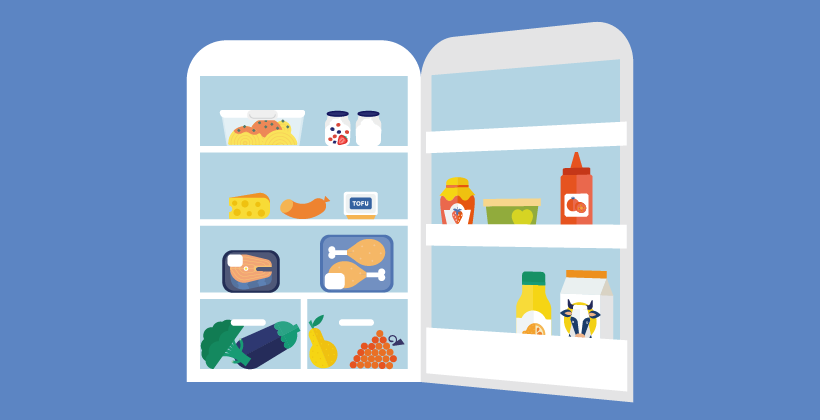
What foods should (or not) be stored in the fridge?
Found in Food safety 12 September 2021Sometimes it’s not so obvious where a certain food product should be stored to maintain its quality, so here we’ll dig into some of the most commonly misplaced ones and give you some answers to general fridge storage questions.
Foods
Found in Category landing pages 23 January 2017Food plays a major role in our everyday lives. For good health and well-being, we need food! Food can be derived from both plant and animal sources and most commonly foods are a mixture of both. A variety of food in our diets supplies us with the energy and the…
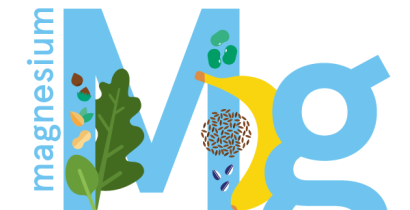
Magnesium: foods, functions, how much do you need & more
Found in Vitamins & Minerals 11 January 2021Magnesium is often associated with supporting the proper functioning of our muscles. However, this mineral has more than 300 other roles that are equally important for our bodies!
Health conditions
Found in Category landing pages 15 December 2016…affect our ability to function or enjoy life. Many of them are related to food and nutrition – from food allergies and intolerances, over dental and gut health, to the non-communicable diseases, like diabetes, cancers, cardiovascular, and respiratory diseases. Unhealthy diet and physical inactivity, together with tobacco and alcohol use,…
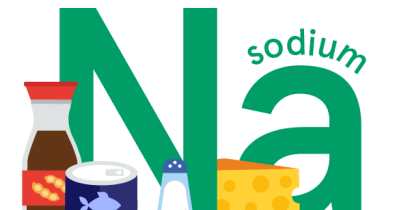
Sodium: foods, functions, how much do you need & more
Found in Vitamins & Minerals 11 January 2021Just a pinch of table salt can contain up to 400 mg of sodium, but this mineral is naturally present in many other foods. While sodium does a lot of good for our bodies, too much of it can get us in trouble.
10 tips to eat healthy during quarantine or isolation (COVID-19)
Found in Healthy living 09 April 2020Eating a healthy balanced diet is essential for good health and normal immune function. Here we discuss the principles of healthy eating during quarantine or isolation.

Niacin: foods, functions, how much do you need & more
Found in Vitamins & Minerals 11 January 2021Niacin is a vitamin with two forms: nicotinamide and nicotinic acid. They sound similar to the addictive chemical in tobacco – nicotine - so be careful not to confuse them!
Fighting food waste by innovative food packaging
Found in Food production 19 July 2018…have reached 9 billion people. To provide enough nutritious food for everybody, while preserving natural resources, we need to switch to more sustainable food systems. This not only involves changing how we produce food globally, but also reducing food losses and waste in the food chain and minimizing the impact…

Chloride: foods, functions, how much do you need & more
Found in Vitamins & Minerals 11 January 2021Although chloride sounds similar to chlorine, the two should not be confused! Chloride is a mineral needed for many bodily functions, whereas chlorine is mainly used to keep swimming pools clean.
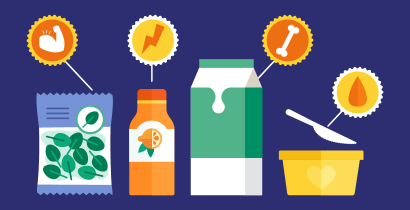
What are nutrition and health claims?
Found in Healthy living 10 July 2024In the EU, three types of claims are allowed to be made on food packaging: nutrition, health, and disease risk factor reduction claims. What do they mean?
What are preservatives and what are common examples used in food?
Found in Whats in food 01 October 2022Preservatives have become an indispensable part of the food we eat. This article explores the varying ways preservatives keep our foods fresh, safe, and shelf stable.

The Future of Organic Food Production in the EU
Found in Food production 24 January 2019Consumers’ interest in organic foods is increasing. Therefore, the European Council has developed new rules to further improve the quality. What will change?

Vitamin D: foods, functions, how much do you need & more
Found in Vitamins & Minerals 11 January 2021Vitamin D, also known as the sunshine vitamin, is an important vitamin that we can get not only from food but also from a bit of sunlight.

Bread: A nutritious staple
Found in Healthy living 08 December 2014Bread has been part of the human diet for thirty thousand years. Yet there are many misconceptions around bread.
Glucose and The Brain: Improving Mental Performance
Found in Whats in food 30 April 2013Glucose is a type of sugar which the brain depends on for fuel. Studies show that dips in glucose availability can have a negative impact on attention, memory and learning…

Bisphenol A: What is it, its health effects and should we avoid it?
Found in Food safety 25 February 2025Bisphenol A is a chemical used in the manufacturing of polycarbonate plastic or epoxy resins. From 20 January 2025, its use in food contact materials is prohibited.

What is monosodium glutamate and is it bad for you?
Found in Whats in food 01 October 2022Is monosodium glutamate really as bad for you as the press says? This article explores MSG and what the latest research says about its health effects.

New dietary strategies for healthy ageing in Europe (NU-AGE)
Found in Research 30 April 2016People are living longer. Rising living standards, improved lifestyle and better education, as well as greater access to quality healthcare services has meant that we can expect to reach 78 years of age, an increase of six years compared to…

Supporting research of food and health in Europe (EuroDISH)
Found in Research 13 September 2013Funded by the European Commission, EuroDISH is assessing the current needs for food and health research infrastructures in Europe to provide competitive advantage at a global level.


Food preservatives: additives that make food last longer
Found in Whats in food 03 July 2004…many consumers associate them with harmful, modern chemicals in foodstuffs. But, as a brief look back into the past will show, preservation of food was practised several hundred years ago when man first used salt (salting) and smoke (curing) to stop meat and fish from going bad.

Tackling food waste: turning nemesis into a saviour
Found in Food safety 28 June 2018The function of food packaging has traditionally been limited to passive protection from external influences, but innovations are quickly changing its role. Packaging is getting active and intelligent, able to monitor and interact with food and environment and maintain food freshness for longer, writes Dr Milka Sokolović.
Tackling diet-related diseases and behavioural disorders by investigating the human microbiome (MyNewGut)
Found in Research 01 December 2013To date, the lack of general understanding of how the human gut microbiome and its interaction with lifestyle factors contribute to our health and wellbeing is common amongst nutritionists, dietitians, the public and policymakers – including those involved in establishing dietary guidelines.
Role of health-related claims and symbols in consumer behaviour (CLYMBOL)
Found in Research 28 April 2014In 2006, the European Commission has introduced a new Regulation on nutrition and health claims made on foods to harmonise the rules governing the use of nutrition and health claims throughout the EU and ensure a high level of consumer protection…

What are sulphites in wine and are they bad for you?
Found in Whats in food 01 October 2022Sulphites in wine are often blamed for headaches and other unpleasant reactions. But are they actually the cause? Here is what you need to know about sulphites.
Food packaging unwrapped
Found in Food production 15 September 2016Food packaging plays an important role in protecting and delaying chemical, physical, and biological deterioration. In this way, even simple packaging (such as glass, metal, plastics…

Manganese: foods, functions, how much do you need & more
Found in Vitamins & Minerals 11 January 2021‘Manganese’ is derived from the Greek word for ‘magic’, a name that fits a mineral for which there’s still much more to discover!
EU-funded project looks at gut microbiome’s influence on health and well-being (MyNewGut)
Found in Research 01 June 2014Microbes in the human intestines are known to affect the body’s ability to extract energy from diet and to influence brain functions. The MyNewGut project, which receives funding from the European Union, aims to study and develop dietary interventions that may help prevent obesity, behavioural- and lifestyle-related disorders.
How effective is the ketogenic diet?
Found in Healthy living 10 August 2018Carbohydrates are commonly perceived as bad for us. However, how true is this really and what are the actual benefits to a low-carb, high fat diet?
Time to find the recipe for healthy ageing in Europe
Found in Research 01 June 2011Europeans are living longer. Good news of course, but also a challenge as people should not just age, but also remain healthy for as long as possible. The EU-funded NU-AGE project will study how diet can promote health in the elderly and help to prevent the development of age-related diseases.

How much water should you drink per day?
Found in Healthy living 26 March 2020Water is essential for the human body to function and survive. Know how much water you should drink per day to stay healthy and hydrated.

Aluminium in Food (Q&A): sources, safety and regulations
Found in Food safety 01 December 2021Aluminium is a metal, such as iron, tin and copper. It is the most abundant metal in the earth’s crust and makes up about 8% of the weight of the earth’s surface…
Nutrition and the genome: A new chapter in health and disease
Found in Healthy living 03 February 2003Many potential benefits are expected from research into genes and how they function. Review current understanding of the structure and function of the human genome.

What is the role of gut bacteria in human health?
Found in Healthy living 15 November 2024Your body is home to trillions of microorganisms, many of which reside in your gut, and among these, the bacteria there play a particularly important role in regulating your health.

Detoxing: does it really work?
Found in Healthy living 10 August 2018Detox diets are all the rage and are about removing toxins from our diets. However, how much truth is behind the idea?

Biotin: foods, functions, how much do you need & more
Found in Vitamins & Minerals 11 January 2021Biotin is popularly known as a vitamin that promotes healthy skin, hair and nails. Yet, these are not its main functions in our body.

The truth about “clean eating”
Found in Healthy living 10 August 2018Clean-eating has been a popular dieting trend for quite some time now, but it isn't always as healthy as it seems.
Proteins
Found in Category landing pages 23 January 2017…life. Without them, the functioning and structure of living cells would be impossible. Proteins are responsible for functions like growth and repair, for hormonal and enzymatic activities, they make up our antibodies, and form our muscles. There was a reason they were given their name from “proteios” – the foremost.…
Coeliac disease
Found in Healthy living 27 March 2019Coeliac disease is caused by a reaction of the immune system to gluten. If you suffer from this, know that you can make a full recovery by following a gluten-free diet!

EU Food Additives List (Online Database)
Found in Whats in food 15 December 2017This article lists and provides examples of the different types of groups of food additives currently used in the European Union.
Harnessing and combining the fragmented body of knowledge in Europe in the field of plant food bioactives (POSITIVe)
Found in Research 21 April 2015Cardio-metabolic disease (cardiovascular diseases, type 2 diabetes, metabolic syndrome and obesity) is the leading cause of death worldwide and a prominent public health problem. These chronic disorders can be prevented, delayed or reduced…

The Functions of Carbohydrates in the Body
Found in Whats in food 14 January 2020Carbohydrates occur in different forms and in many foods, such as whole grains, fruit and vegetables. Find out what their different functions are in the body.
What are prebiotics and probiotics and are they important for health?
Found in Healthy living 23 June 2023Over the past few decades, researchers have been investigating how we can influence our gut microbiota through diet. In this article we explain what are prebiotics and probiotics, and explore their potential to improve our health.

In the news: Can a weekly portion of fried foods increase the risk of heart disease?
Found in Misinformation 22 February 2021In the news: Can a weekly portion of fried foods increase the risk of heart disease?
InnoProtein - New sustainable proteins for food, feed and non-food bio-based applications
Found in Projects 29 September 2023InnoProtein - New sustainable proteins for food, feed and non-food bio-based applications

Establishing an environment that supports positive health behaviour and healthy lifestyle (HELENA)
Found in Research 04 April 2006The HELENA research consortium believes that the key to health promotion and disease prevention in the 21st century is to establish an environment that supports positive health behaviour and healthy lifestyle…

The role of lactic acid bacteria in food fermentation
Found in Food production 16 January 2025Lactic Acid Bacteria have been used in food production for thousands of years. What are they, and what is their role in food today?

Should you avoid eggs because they’re high in cholesterol?
Found in Misinformation 19 December 2025Should you avoid eggs because they’re high in cholesterol?

Fluoride: foods, functions, how much do you need & more
Found in Vitamins & Minerals 11 January 2021Fluoride is a mineral that we often link to toothpaste and dental health. Yet, fluoride is even found in drinking water. So, what makes it so important?

Nutrition labelling on chewing gum (2013-2014)
Found in Research 01 December 2014We investigated where and how European consumers would like to receive nutrition information about chewing gum.

Choline: foods, functions, how much do you need & more
Found in Vitamins & Minerals 11 January 2021Choline is our outlier in the whole bunch, as it’s not truly defined as a vitamin. However, it’s still essential to keep us healthy!
Recommended daily intake of fibre and fibre-rich foods to help you achieve it
Found in Whats in food 26 October 2023Fibre is important for our health and well-being. Yet, most of us do not eat the recommended amount. Which foods can we incorporate in our diet to help us get closer to our daily fibre target?

What happens when we reduce or stop eating meat? A micronutrient breakdown
Found in Healthy living 26 November 2025Explore how reducing or cutting out meat affects micronutrient intake, highlighting the benefits, potential gaps and health impacts of plant-based diets.

Transforming healthier food for a healthier planet: World Microbiome Day 2023 shines a spotlight on microbiomes for sustainable & healthy diets
Found in Newsroom 29 May 2023Transforming healthier food for a healthier planet: World Microbiome Day 2023 shines a spotlight on microbiomes for sustainable & healthy diets

Is soy good or bad for you? Here’s what the science says
Found in Healthy living 14 October 2024Soy has gained popularity as a versatile and nutritious food source. This article explores the nutrients found in soy and whether eating soy is good for us.
Role of health-related claims and symbols in consumer behaviour: eye-tracking (CLYMBOL)
Found in Research 10 June 2016To analyse the influence of health claims and symbols on people’s shopping behaviour, it is important to know whether people look at health claims on food packages. However, just asking people is not sufficient…
Can health claims and symbols lead to healthier eating habits? (Clymbol)
Found in Research 26 September 2012A new EU funded (FP7) project kicks off today aiming to shed light on how consumers interpret health information on food labels, and how this affects their purchasing and consumption behaviour.
Phosphorus: foods, functions, how much do you need & more
Found in Vitamins & Minerals 11 January 2021Phosphorous is well-known for its importance in healthy and fertile soil, but just like plants, our bodies also need this mineral to thrive!

What is salt and how does it affect our blood pressure?
Found in Whats in food 10 February 2023Here we discuss how too much salt can increase blood pressure, the relationship between salt and high blood pressure across Europe and what we can do to reduce our salt intake.

9 practical tips for a healthy and sustainable diet
Found in Food production 26 May 2023Each of us contributes to the impact that our food system has on the planet. We can all commit to making the world a healthier place to live, through small but achievable changes to our diets.

What Is an Acceptable Daily Intake (ADI)?
Found in Understanding science 01 December 2021The Acceptable Daily Intake (ADI) is an estimate of the amount of a food additive, expressed on a bodyweight basis that can be ingested daily over a lifetime without appreciable risk to health.
Dietary fibre: What’s its role in a healthy diet?
Found in Whats in food 03 June 2005Although dietary fibre is not a ‘nutrient’, it is nevertheless an important component of our diets. The fact that it passes through the body without being absorbed is the main reason why fibre is so important.
Food Additives Campaign: Scientists answer consumer’s common questions this October
Found in Newsroom 04 October 2022Food Additives Campaign: Scientists answer consumer’s common questions this October

Is a Tomato a Fruit or a Vegetable and Why?
Found in Healthy living 04 March 2020Surely you can tell the difference between a fruit and a vegetable. Or can’t you? Here’s the answer to the old-age question ‘is tomato a fruit or a vegetable’?

Vitamin K: foods, functions, how much do you need & more
Found in Vitamins & Minerals 11 January 2021You may have never thought twice about vitamin K, but this vitamin is a key protagonist in every bleeding wound! The K in vitamin K comes from the German word “koagulation”, which means blood clotting, or coagulation.
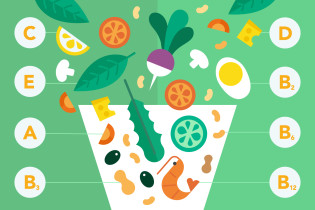
What are Food Supplements and Who Needs Them?
Found in Healthy living 12 April 2013There are numerous food supplements on the market, but whom are they for? When are they beneficial, ineffective or even harmful? In this article we explore the general recommendations on taking food supplements.

Is a Cucumber a Fruit or a Vegetable and Why?
Found in Healthy living 04 March 2020Worldwide, cucumbers are one of the most popular produce items, but are they a fruit or vegetable? This article clears up the doubts.

Zinc: Foods, Functions, How much do you need & more
Found in Vitamins & Minerals 11 January 2021Zinc is quite an important mineral to keep our immune system at its best. But did you know that it’s also involved with our senses of smell and taste?
FOODPathS - Co-creating the prototype ‘Sustainable FOOD Systems PArTnersHip’
Found in Projects 06 December 2022FOODPathS - Co-creating the prototype ‘Sustainable FOOD Systems PArTnersHip’

Is a Pepper a Fruit or a Vegetable and Why?
Found in Healthy living 04 March 2020Being able to tell whether a pepper is a fruit or a vegetable is not straightforward. Here we explain why the correct answer resides in the eye of the beholder.

Eggs revisited: Nutritious and safe to eat
Found in Whats in food 01 May 2011Eggs are a rich source of protein and several essential nutrients. Emerging evidence suggests they are associated with improved diet quality.
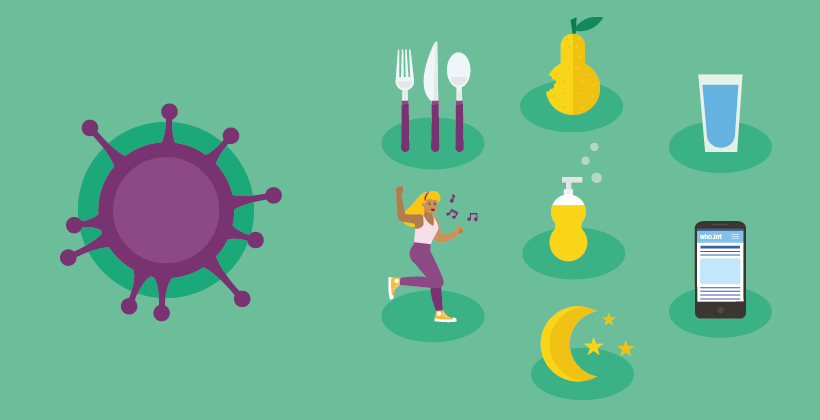
How to keep healthy while in isolation or quarantine (COVID-19)
Found in Healthy living 02 April 2020Whether you are in quarantine or self-isolation due to COVID-19, you will inevitably be spending more time at home. Follow these tips to keep healthy.